One-Stop PCB Factory: Prototype to Mass Production
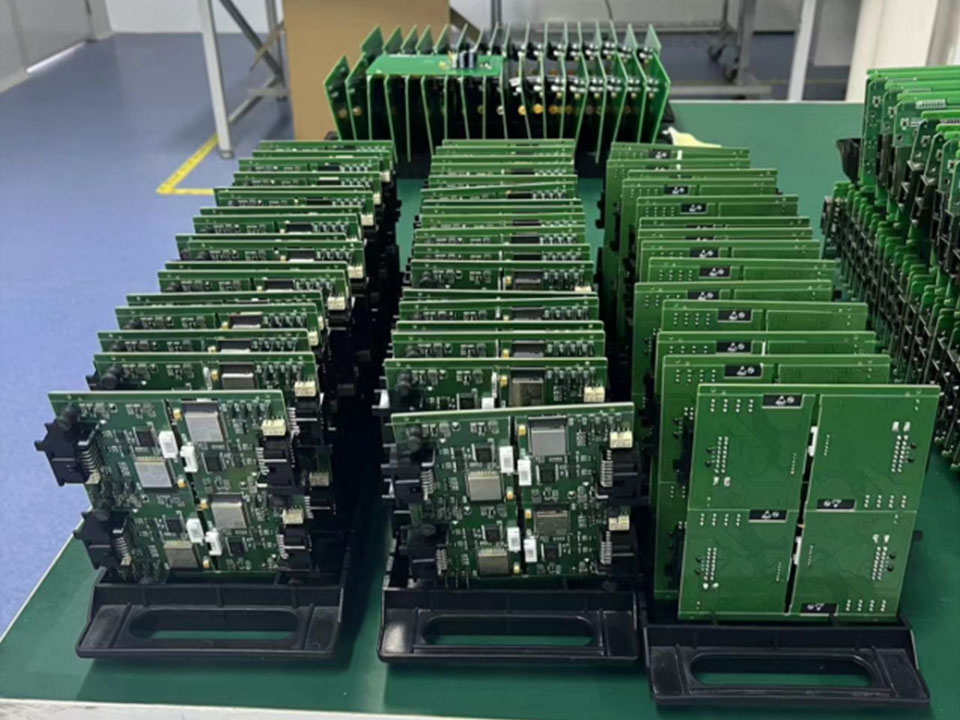
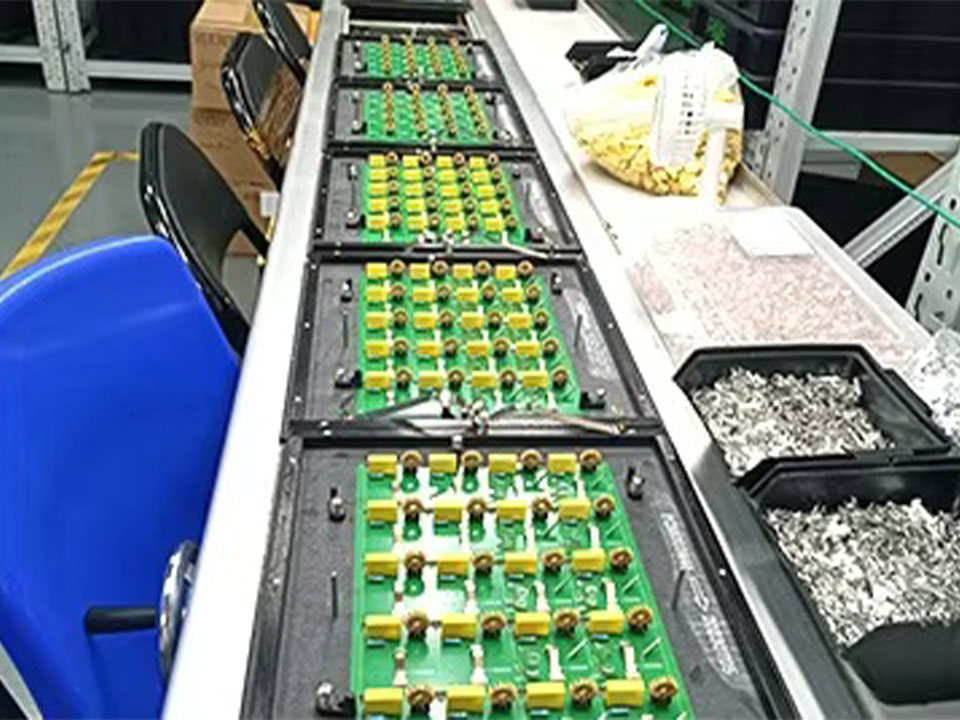
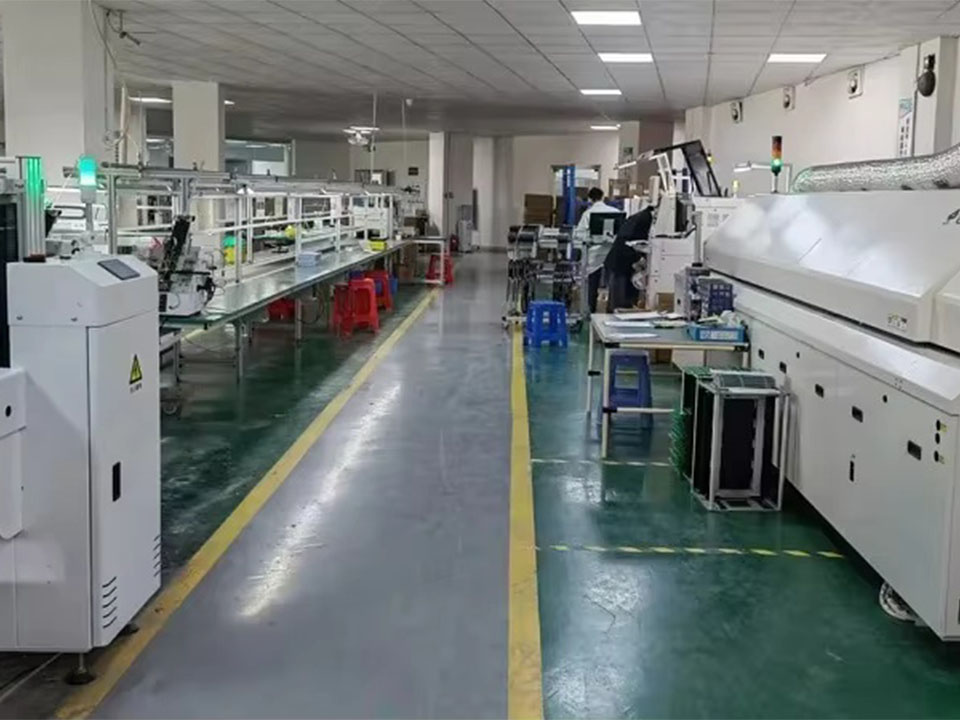
For hardware startups and OEMs, getting high-quality PCBs quickly and reliably is critical. MC PCB is a one-stop contract PCB manufacturer supporting prototypes to volume builds—backed by experienced engineering support and rigorous QA.
MC PCB Co., Ltd.
Began in 2005
One-Stop PCB Factory: Prototype to Mass Production
For hardware startups and OEMs, getting high-quality PCBs quickly and reliably is critical. MC PCB is a one-stop contract PCB manufacturer supporting prototypes to volume builds—backed by experienced engineering support and rigorous QA.
MC PCB Co., Ltd.
Began in 2005
No. 2, Lane 11, Wenming Road, Fourth Industrial Zone, Nanzha, Humen Town, Dongguan City
How do I validate my prototype design before sending it for manufacturing?
Learn how to validate your PCB prototype before manufacturing with clear requirements, DFM checks, EVT/DVT/PVT gates, FMEA, BOM freeze, and a pilot run.
If you’re building hardware, “it works on my bench” isn’t the finish line. A prototype can pass a quick smoke test and still blow up your schedule once it hits real fabrication, SMT, and QA. The goal is simple: prove the design is buildable, testable, and stable at scale before you release it to a factory.
Below is a practical flow you can reuse across OEM/ODM programs, EMS builds, design houses, and startup spin-ups.
Design Inputs and Requirements Traceability Matrix
Before you validate anything, lock down what “good” means. Otherwise, you’ll run tests forever and still argue at the end.
Build a Requirements Traceability Matrix that ties each requirement to a verification method and a pass/fail line. Keep it boring and clear. This is how you stop scope creep from sneaking into the factory release.
What to include (typical PCB/PCBA projects):
Electrical: voltage rails, max current, ripple limits, noise budget
Environment: temperature range, vibration, humidity, ESD expectations
Reliability: duty cycle, expected lifetime, field failure tolerance
Compliance: material restrictions, labeling, test records you must keep
When you send an RFQ or start NPI, link this mindset to your service scope, like your Services and Capabilities pages. It signals you’re not guessing. You’re running a controlled release.
Design Verification
Verification answers one question: Did you build the design right? Think: schematic rules, layout constraints, stackup intent, and measurable performance.
Stackup and Impedance Control
If your board has high-speed or RF, don’t wait for the first batch to “see what happens.” Validate these early:
Stackup matches target impedance
Reference planes are continuous
Return paths aren’t chopped by splits and voids
Differential pairs keep spacing and length rules through connectors and vias
This is where DFM feedback + fabrication know-how matters. If your job needs tighter control (HDI, fine pitch, controlled impedance), route it through something like Advanced PCB rather than treating it like a basic 2-layer build.
Schematic Review, ERC/DRC, and Test Points
Run the boring checks and treat failures like blockers:
ERC/DRC clean
Power tree sanity check (brownout paths, inrush, protection parts)
Programming header access
Debug signals broken out
Enough test points for ICT/FCT strategy
A common factory pain is “no place to probe.” Then you end up with flying leads, inconsistent data, and slow debug. Fix that in the layout, not on the line.
Design Validation
Validation answers a different question: Did you build the right product for the real use case? That means realistic loads, real cables, real user behavior, and ugly edge cases.
Here are three scenarios that catch problems fast:
Industrial control board: It runs fine in the lab, then resets on a noisy motor line. Validation includes EMI-ish stress, brownout dips, and IO surge behavior.
Consumer device: It passes basic function, then fails in the field because users hot-plug cheap adapters. Validation includes plug/unplug abuse and ESD touch points.
Wearable or medical-ish device: Small leakage, drift, or connector intermittency becomes a support nightmare. Validation includes long soak and connector cycles.
If you also plan turnkey build, tie validation to assembly realities, like PCB Assembly , because the assembly process can change outcomes (reflow profile, tombstoning risk, BGA voiding, etc.).
DFM/DFA
DFM/DFA is where most prototype-to-production failures are born. You can’t “test your way out” of weak manufacturability.
DFM Checklist
Run a structured DFM pass before you release Gerbers:
This is also why having a clear fabrication path matters. If you’re placing the order under a defined PCB Fabrication scope, you’ll get DFM notes that match real process limits, not generic comments.
EVT DVT PVT
EVT/DVT/PVT keeps you from mixing three jobs into one build.
EVT (Engineering Validation Test): prove core functions, de-risk the architecture
DVT (Design Validation Test): confirm the full design meets requirements, close reliability gaps
PVT (Production Validation Test): prove the manufacturing flow is stable (process, fixtures, test stations)
If you’re an OEM, an EMS partner, or a design studio shipping to a brand customer, this language makes alignment easier. It also makes change control cleaner, because every ECO has a phase impact.
DFMEA PFMEA
FMEA is where you stop betting on luck.
DFMEA: how the design can fail, what happens, how you detect it
PFMEA: how the process can fail (placement, reflow, inspection, handling)
You don’t need a massive spreadsheet to start. You do need honesty. The best teams use DFMEA/PFMEA to decide what to:
protect (guard bands, derating, filtering)
monitor (built-in self-test, logs, limits)
redesign (layout, footprint, connector choice)
If your customer is automotive-ish or industrial, this is the difference between “prototype done” and “production-ready.”
BOM Freeze and Second Source
A lot of “manufacturing problems” are actually sourcing problems wearing a mask.
Before you release:
freeze BOM revision (even if it’s a “soft freeze”)
mark critical parts (MCU, PMIC, RF front-end, connectors)
define approved alternates where possible
lock footprint compatibility rules for alternates
confirm package, polarity, and MSL handling notes are correct
This matters even more for B2B wholesale and OEM/ODM work, where the buyer may need continuity for spares, service stock, or long builds.
Pilot Run
A pilot run proves the system works when it leaves your desk and enters a line.
What you validate in a pilot run:
yield and top defect modes (what fails most, and why)
whether AOI catches real issues or spams false calls
whether X-ray is needed for BGA/QFN risk areas
whether ICT coverage is enough
whether FCT scripts match real firmware and configs
whether rework loops are under control
This is where your Quality expectations should be crystal clear. If you want stable output, you need stable inspection rules, stable test fixtures, and stable documentation.
Manufacturing Data Package
Factories don’t build intentions. They build files.
pick-and-place, BOM with manufacturer part numbers
test spec (ICT/FCT), programming instructions
revision control and ECO notes
If you want fewer back-and-forth emails, publish a single source of truth, then point stakeholders to your Contact Us channel for release questions and your Blog for process explainers and build notes.
Validation Plan Table
Here’s a compact table you can drop into your NPI doc. It keeps the conversation focused on proof, not vibes.
Validation topic
What you’re proving
Typical evidence you keep
Common customer pain it prevents
Design Inputs + Requirements Traceability Matrix
Everyone agrees on pass/fail
RTM, test plan, release criteria
“We thought it would…” arguments
Design Verification
Design meets spec on the bench
DRC/ERC logs, bench reports, screenshots
Last-minute redesign loops
Stackup and Impedance Control
High-speed/RF behaves as intended
Stackup notes, impedance targets, TDR if used
SI/EMI surprises after build
DFM/DFA
Board can be fabricated and assembled reliably
DFM checklist, issue closeout list
Yield collapse, rework overload
EVT DVT PVT
Phase-by-phase risk is controlled
Entry/exit criteria, phase reports
Trying to do everything in one build
DFMEA PFMEA
Failure paths are known and mitigated
DFMEA/PFMEA sheets, action verification
Field failures and blame games
BOM Freeze + Second Source
Supply chain won’t derail the build
Frozen BOM, AVL/alternates
Sudden part swaps and footprint chaos
Pilot Run
Process and test flow are stable
Pilot report, defect Pareto, test logs
“Production line panic” during ramp
Manufacturing Data Package
Factory can build without guessing
Full release pack, ECO history
Endless clarification emails
Practical next steps
If you want a clean handoff to manufacturing, do this in order:
Lock requirements and build your traceability matrix.
Run verification on the design and the layout constraints.
Do DFM/DFA with your fabricator and assembly team.
Stage builds as EVT → DVT → PVT, even if your volumes are small.
Freeze BOM and define alternates before you hit procurement.
Run a pilot build and treat defects like data, not drama.
Release a complete manufacturing data package with tight revision control.
If you share your board type (HDI, rigid-flex, RF, heavy copper, aluminum MCPCB, or “standard FR-4”), I can tailor the checklist to your exact stackup, assembly method, and test strategy—same structure, but mapped to your real constraints and customer expectations.
MC PCB.,Ltd, alongside Dongguan MaoChang Printed Circuit Board Limited,has focused on PCB manufacturing over 20 years. MaoChang Printed Circuit Board Limited, a professional PCB factory for Quick Turn PCB, Prototype PCB and High Mix Low Volume fabrication. With UL certification for Rigid FR-4 / High Frequency / Aluminum Based PCB production.
Company
About
Contact
Capabilities
Services
Application
Products
Quality
Blog
Products
Printed Circuit Boards
PCB Prototype
Flexible PCB
High Frequency PCB
Thick-Copper PCB
PCB Assembly
Metal core PCB
Thick-Copper PCB
Contact
0755-2889 4567
Room 1803, lA Building, Longwan, Nanhuai Road, Shajing, Bao'an District,Shenzhen City
No. 2, Lane 11, Wenming Road, Fourth Industrial Zone, Nanzha, Humen Town, Dongguan City