One-Stop PCB Factory: Prototype to Mass Production
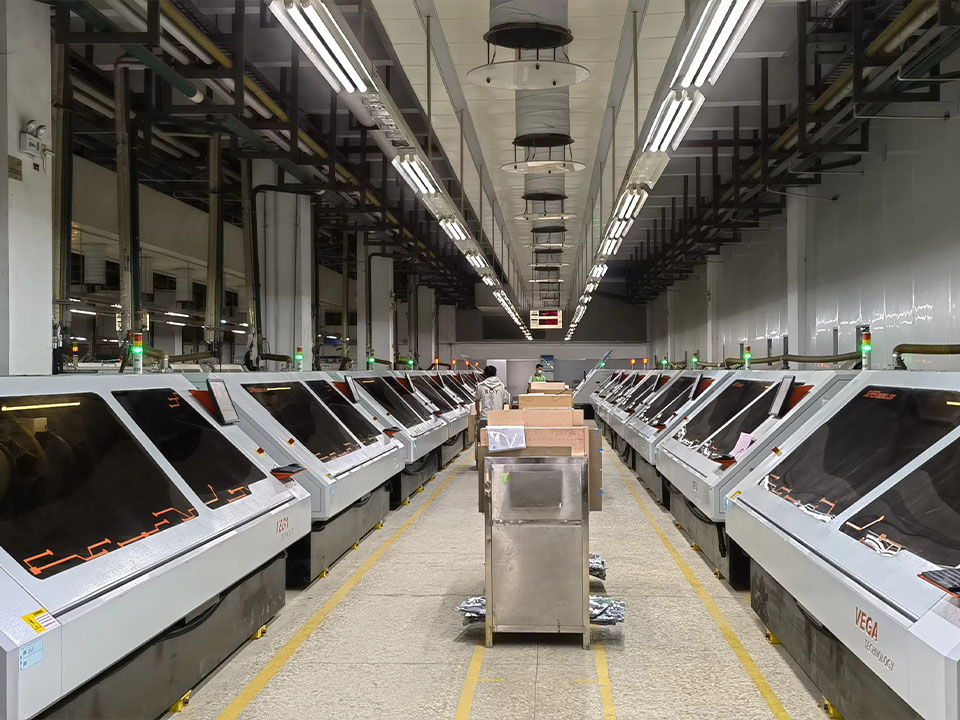
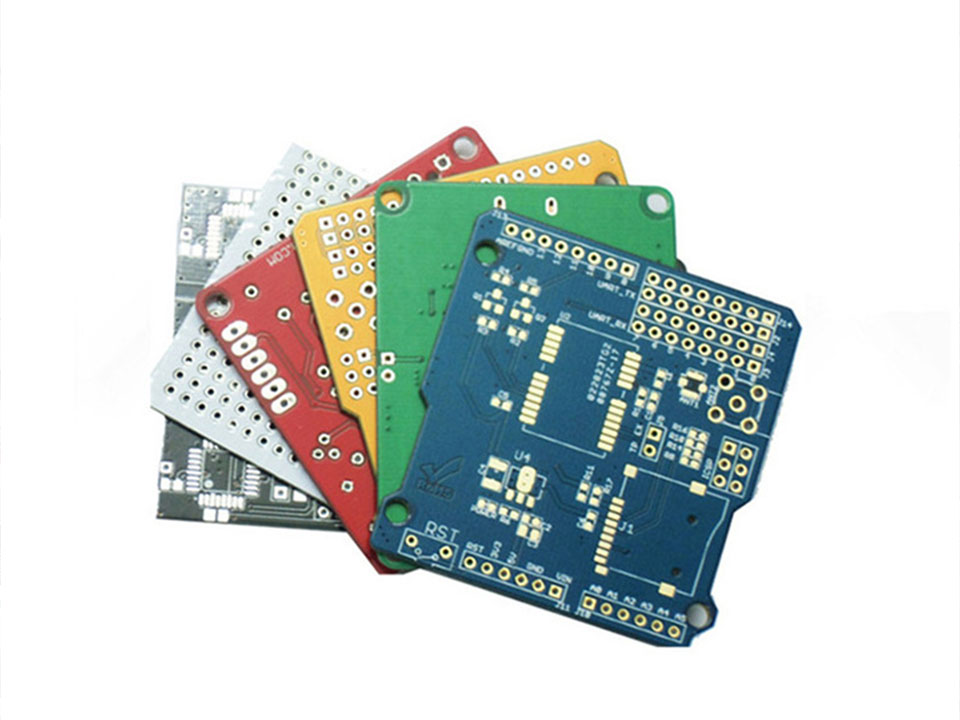
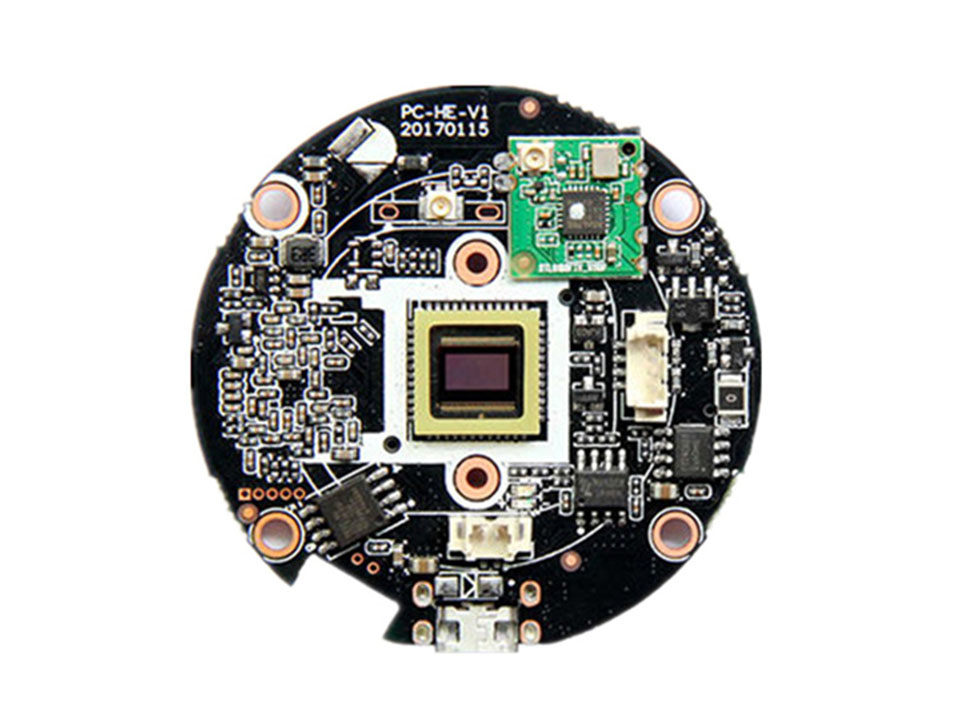
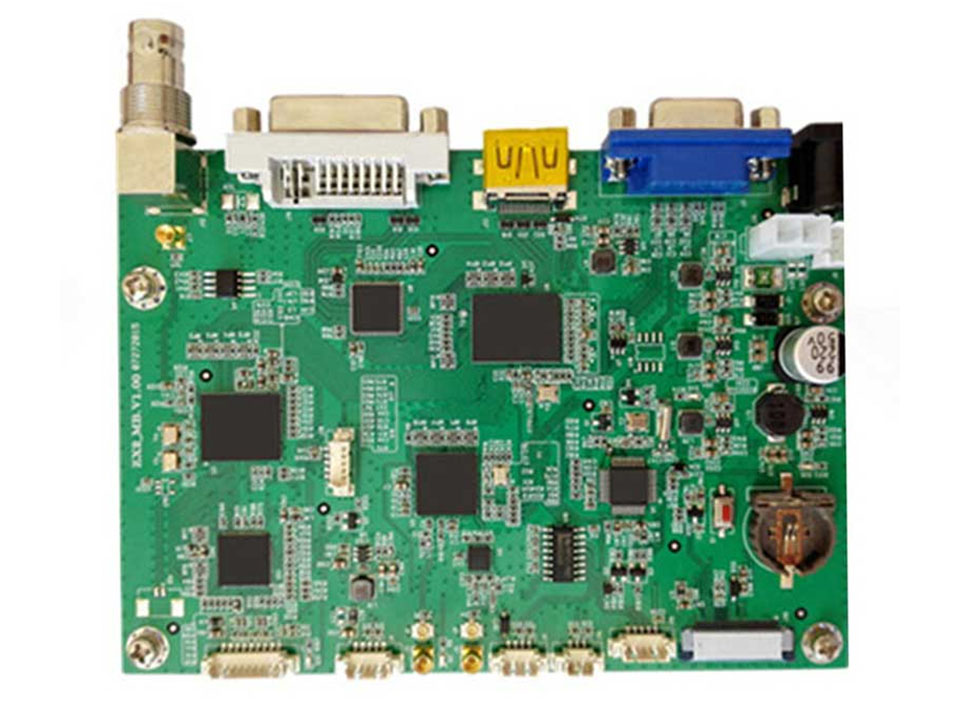
For hardware startups and OEMs, getting high-quality PCBs quickly and reliably is critical. MC PCB is a one-stop contract PCB manufacturer supporting prototypes to volume builds—backed by experienced engineering support and rigorous QA.
MC PCB Co., Ltd.
Began in 2005
One-Stop PCB Factory: Prototype to Mass Production
For hardware startups and OEMs, getting high-quality PCBs quickly and reliably is critical. MC PCB is a one-stop contract PCB manufacturer supporting prototypes to volume builds—backed by experienced engineering support and rigorous QA.
MC PCB Co., Ltd.
Began in 2005
No. 2, Lane 11, Wenming Road, Fourth Industrial Zone, Nanzha, Humen Town, Dongguan City
How much does component sourcing add to assembly costs and is it worth using the manufacturer’s parts?
Component sourcing can raise your assembly cost through risk, rework, and delays. Learn when turnkey, consignment, or hybrid sourcing makes sense for PCBA builds.
If you’re buying PCBA as an OEM, brand owner, EMS, design house, or a startup team, you’ve probably hit the same wall: the assembly quote looks fine, then sourcing turns into the real headache. Parts go EOL, lead times shift, alternates trigger re-validation, and suddenly your build is stuck in “waiting for two missing line items.”
At a China-based B2B PCB factory focused on fast prototyping, stable mass production, and reliable PCB assembly, we see this every day. You can run the build in two basic ways:
Turnkey: the manufacturer buys parts and assembles.
Consignment: you buy parts and ship a kit; the manufacturer assembles.
So, how much does sourcing “add” to assembly cost? The honest answer: it adds friction, risk, and workload first. Money follows those three. The smart move is to pick the sourcing model that cuts your total pain: schedule slips, rework, line-down events, and quality escapes.
If you’re exploring a one-stop flow, start from our homepage for the overall scope, then drill into PCB assembly and PCB fabrication based on your project stage.
What component sourcing really adds to PCB assembly cost
Component sourcing doesn’t just mean “buying parts.” It usually includes:
In other words, sourcing is where most PCBA projects either run smooth or go sideways.
Below is a practical summary of the same core arguments buyers debate, written in factory terms.
Argument summary table with sources
Argument title
What it means in real builds
Where it shows up
Best-fit buyers
Argument source
Component sourcing adds a procurement fee or markup
Turnkey sourcing often includes a service layer for purchasing, handling, and risk
BOM line cost and admin overhead
Teams short on procurement bandwidth
Contract manufacturing pricing practice
All-in turnkey quotes can include heavy markups
Some turnkey quotes bundle parts with limited transparency
BOM cost visibility and negotiation leverage
Buyers who value simplicity over line-item control
Electronics manufacturing quoting practice
Manufacturer buying power can lower component unit price
Factories may access better allocation, packing, and price tiers on common parts
BOM stability and supply continuity
Repeat builds and rolling forecasts
High-volume purchasing behavior
Manufacturer sourcing reduces kitting risk and schedule slips
One party owns “kit completeness,” so the line can start on time
Lead time reliability and fewer line-down events
Complex BOMs with many suppliers
Production planning practice
Consigned builds still need overage and scrap buffer
Assembly needs extra units for placement loss, rework, and feeder issues
Buyer-owned inventory and buffer planning
Teams that insist on strict channel control
SMT process reality
Broker buys raise price and counterfeit risk
Shortages push buyers toward risky channels and mixed traceability
Incoming QC workload and failure risk
Any project under shortage pressure
Supply chain risk guidance
A hybrid sourcing model often cuts total cost of ownership
Split responsibility: you lock critical parts, factory sources the rest
Balanced cost, risk, and speed
Most OEM/ODM programs
Common EMS playbook
Write the responsibility boundary into the sourcing process
Clear rules for alternates, approvals, scrap, and liability
Fewer disputes and fewer surprises
Regulated, automotive, medical, industrial
Quality system practice
Turnkey PCB assembly vs consigned components
Most buyers don’t choose turnkey because they love markups. They choose it because they hate these problems:
Ten vendors, ten shipments, one missing reel
A single EOL capacitor forcing an ECO right before build
Three alternates that “fit” but fail EMC in the final enclosure
A kit that arrives with split lots and no clean traceability
Turnkey can reduce that chaos because one party controls procurement, receiving, and line-side prep. If you want to see how we position that one-stop flow, our services page outlines the typical paths for prototype to production.
Component sourcing adds a procurement fee or markup
When the manufacturer buys parts, you’re paying for more than the invoice value of the components. You’re also paying for the work around it: quoting, purchasing, chasing backorders, receiving, inspection, storage, and issue handling.
That extra layer can be worth it if your internal team is small, or if your program runs many SKUs and frequent turns. In those cases, your real savings comes from fewer touches and less schedule risk, not just part price.
All-in turnkey quotes can include heavy markups
Some turnkey quotes look clean because they hide the messy details. That can feel great until you need to:
audit cost drivers,
compare alternates,
or negotiate around a single expensive MPN.
If you need transparency, ask for a quoting format that separates assembly labor, PCB cost, and component sourcing as distinct buckets. You’ll spot where the weight sits, fast.
Manufacturer buying power can lower component unit price
On stable builds, manufacturers can sometimes source standard passives, connectors, and common ICs more efficiently. They know packaging, reel sizes, vendor lead-time behavior, and how to avoid “almost compatible” substitutions.
This is especially helpful when you move from prototype into repeat builds, where supply continuity matters more than hunting a one-off deal.
Real-world PCB sourcing scenarios that decide “worth it”
Here’s what “worth it” looks like in real purchasing conversations.
Manufacturer sourcing reduces kitting risk and schedule slips
Scenario: a brand owner rushing a pilot run for a product launch. They can’t afford a line-down because two parts show up late. Turnkey sourcing makes sense because the manufacturer owns kit completeness. You avoid the classic trap: “All parts arrived… except the one reel nobody tracked.”
If your board needs special stackups, impedance control, or tricky fabrication rules, you can also align sourcing decisions with manufacturing constraints via our capabilities page, so alternates don’t break assembly or test.
Consigned builds still need overage and scrap buffer
Scenario: an EMS team consigned a full kit, then placement loss eats a few critical items. That’s normal in SMT. Feeders drop parts, rework consumes extras, and a tiny percentage turns into scrap. If you consign, plan a buffer and decide upfront who owns the risk when the buffer runs out.
If you don’t define that early, you’ll end up expediting a tiny shortage shipment at the worst possible time.
Broker buys raise price and counterfeit risk
Scenario: a startup finds a shortage part, buys from a broker, and the build passes AOI but fails in burn-in. Now you’re dealing with mixed lots, unclear storage history, and questionable traceability. Even if the board “works,” reliability becomes a gamble.
This is where a strong incoming inspection flow and traceability discipline matter. If you’re building for industrial, medical, or automotive-like expectations, map your sourcing plan to your QC requirements. Our quality page describes how a disciplined QC mindset supports stable production.
A hybrid sourcing model most OEM/ODM teams use in production
A hybrid sourcing model often cuts total cost of ownership
In practice, many serious programs go hybrid:
You lock: long-lead, allocation-sensitive, program-specific, or compliance-heavy parts (MCU, RF, security, sensors with calibration).
The factory sources: passives, standard connectors, LEDs, generic power parts, and other low-risk items.
This reduces risk where it hurts most, while keeping the line moving.
It also works well for OEM/ODM and wholesale buyers who run multiple product variants. You keep control where it matters, and you stop burning time on commodity line items.
Process controls that keep sourcing from wrecking your schedule
Write the responsibility boundary into the sourcing process
If you only take one thing from this article, take this: define the rules before the first PO.
Use a simple sourcing agreement that covers:
AVL and alternates: who can approve swaps, and how fast
Traceability: what documents you require, and what “good” looks like
Shortage policy: partial builds vs waiting for full kit
Scrap and rework: who owns replacement cost when something goes wrong
Change control: how you handle ECOs, firmware-loaded parts, and test updates
When buyers skip this, the factory has to guess. Guessing creates surprises. Surprises kill schedules.
If you want a clean handoff, it helps to align on scope and communication early. Our about us and contact us pages make it easy to route your RFQs to the right team and define the sourcing model from day one.
Quick decision checklist for component sourcing
Use manufacturer parts when you want:
fewer vendors to manage,
fewer split shipments,
better kitting discipline,
and a lower chance of line-down.
Use your own parts when you need:
strict channel control,
fixed brand-approved MPNs,
special compliance documentation,
or you already have locked allocation.
Choose hybrid when you want the most stability with the least drama.
If you’re not sure which route fits your build, start with a short message that includes your BOM count, target schedule, and whether you can accept alternates. We’ll steer you to a sourcing model that matches your timeline and quality bar.
MC PCB.,Ltd, alongside Dongguan MaoChang Printed Circuit Board Limited,has focused on PCB manufacturing over 20 years. MaoChang Printed Circuit Board Limited, a professional PCB factory for Quick Turn PCB, Prototype PCB and High Mix Low Volume fabrication. With UL certification for Rigid FR-4 / High Frequency / Aluminum Based PCB production.
Company
About
Contact
Capabilities
Services
Application
Products
Quality
Blog
Products
Printed Circuit Boards
PCB Prototype
Flexible PCB
High Frequency PCB
Thick-Copper PCB
PCB Assembly
Metal core PCB
Thick-Copper PCB
Contact
0755-2889 4567
Room 1803, lA Building, Longwan, Nanhuai Road, Shajing, Bao'an District,Shenzhen City
No. 2, Lane 11, Wenming Road, Fourth Industrial Zone, Nanzha, Humen Town, Dongguan City