One-Stop PCB Factory: Prototype to Mass Production
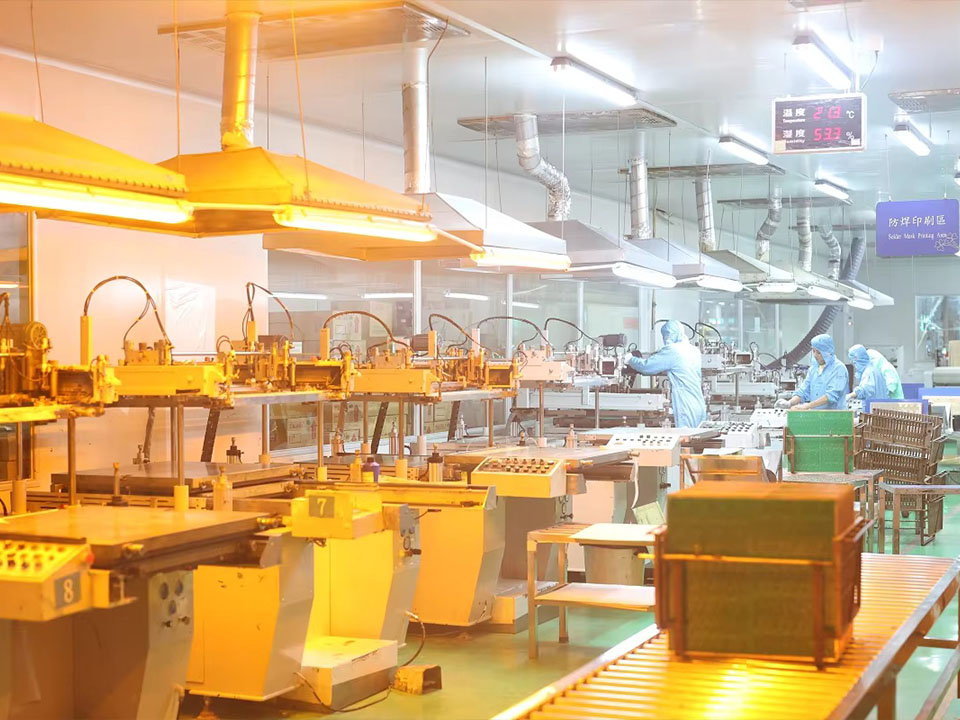
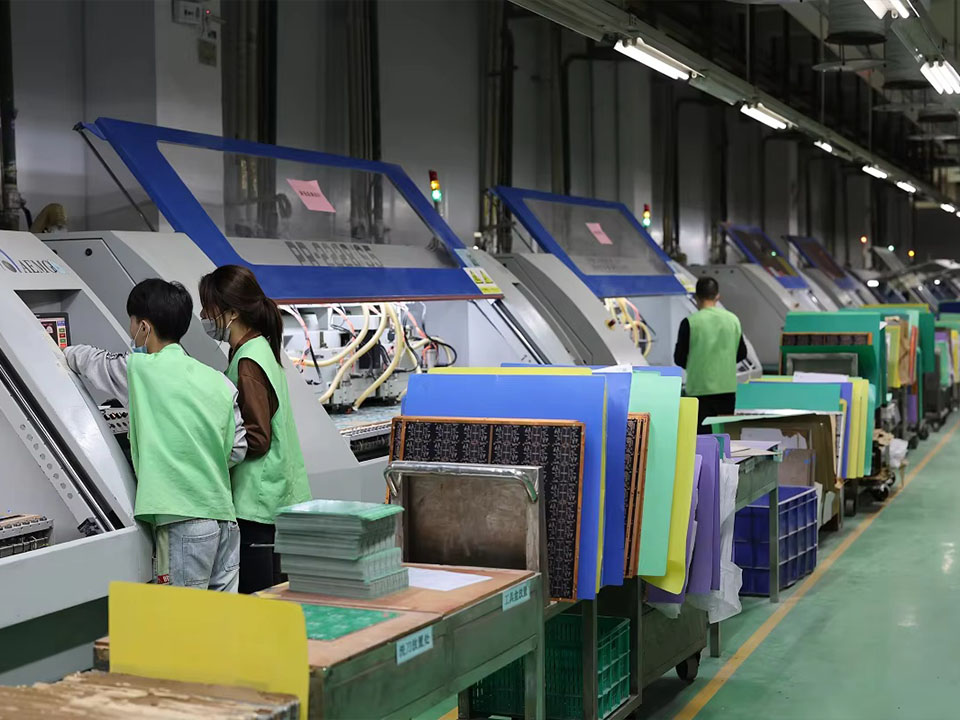
For hardware startups and OEMs, getting high-quality PCBs quickly and reliably is critical. MC PCB is a one-stop contract PCB manufacturer supporting prototypes to volume builds—backed by experienced engineering support and rigorous QA.
MC PCB Co., Ltd.
Began in 2005
One-Stop PCB Factory: Prototype to Mass Production
For hardware startups and OEMs, getting high-quality PCBs quickly and reliably is critical. MC PCB is a one-stop contract PCB manufacturer supporting prototypes to volume builds—backed by experienced engineering support and rigorous QA.
MC PCB Co., Ltd.
Began in 2005
No. 2, Lane 11, Wenming Road, Fourth Industrial Zone, Nanzha, Humen Town, Dongguan City
What’s the cheapest way to get functional prototypes for market testing?
Cheapest functional prototypes come from a clear ladder: test demand with quick mocks, then clickflows, no-code, 3D prints, and DFM-ready PCBs for real market trials.
If you’re trying to test a market, “cheap” doesn’t mean “half-baked.” It means you only spend effort where it buys you real answers. You’re not building a “future product.” You’re building proof that people want it, understand it, and can use it.
Here’s the mental model: prototypes are a ladder. You climb one rung at a time. Each rung kills one risk. Skip rungs and you pay for it with respins, delays, and messy NPI.
If you’re doing hardware, your PCB cycle is usually the bottleneck. That’s where smart moves matter most. If you need a reference point for what a fast-turn B2B flow looks like, start from our China PCB B2B factory homepage and then drill into PCB fabrication and PCB assembly.
Market testing and functional prototypes
A functional prototype for market testing isn’t a mini version of your final product. It’s the smallest thing that proves one of these:
People get it fast (positioning)
People care (demand signal)
People can finish the job (usability)
The core function works in the real world (technical viability)
You don’t need polish. You need clean learning.
Low-fidelity prototypes for market testing
Start with low-fidelity validation
Before you touch code or copper, run low-fidelity tests. They’re fast, cheap, and brutally honest.
You’re basically asking: “If I show this to the right buyer, do they understand it and move forward?”
This works great for B2B too. OEMs, EMS teams, and design houses don’t have time for a long demo. They scan, they decide, they bounce.
Five-second testing
Five-second testing checks first impressions. Show a screen or a pitch, hide it, then ask what they remember and what they think it does.
Use this when your messaging feels muddy, or sales calls keep turning into long explanations.
Real scenario: you’re selling an industrial control board. Buyers keep asking “So what’s different about this?” Run a five-second test on your landing page headline, your product image, and your “request a quote” flow. Fix the confusion before you ship boards.
First-click testing
First-click testing is simple: give people a task and see where they click first.
If their first click is wrong, your funnel is leaking. In B2B, that leak looks like: fewer quote requests, fewer file uploads, fewer samples shipped.
Real scenario: your site has “Capabilities,” “Quality,” and “Products.” A sourcing manager wants proof you can handle HDI and controlled impedance. If they click the wrong section, you lose them. A clean first-click path is money.
If you want that structure on your own site, make it easy to find Capabilities and Quality control without making buyers hunt.
Clickable prototypes
Clickable prototypes sit in the sweet spot. You can test flows without building the full thing.
You’re testing task completion: can users finish a quote request, understand lead options, and upload the right files without back-and-forth?
Real scenario: you’re setting up an OEM/ODM workflow for bulk buyers. Prototype the steps: requirements → Gerber upload → stack-up notes → BOM/AVL → shipping info. Watch where people hesitate. That hesitation is your future email thread.
No-code and low-code MVP for functional prototypes
Sometimes you really do need something that “runs.” Not perfect. Just functional.
No-code/low-code is a solid move when you’re testing behavior, not architecture. Think signup flows, quoting forms, simple dashboards, support portals, distributor tools, or post-order tracking.
Real scenario: you’re targeting EMS and hardware service shops. They want a fast way to submit BOM + CPL and get a clear assembly plan. Build the workflow fast, watch real users use it, then harden it later.
Keep it narrow. One core job. One core metric. Everything else is noise.
3D printing for functional prototypes
For physical products, 3D printing is great when you need to test form, fit, and handling. It’s not just “making it look nice.” It’s about proving the product feels right and installs cleanly.
Break prototypes into functional zones
Don’t print the whole enclosure if you only need to test one area. Split the design into zones: connector access, mounting points, button feel, cable routing, gasket fit.
This keeps your loop tight. It also helps you avoid the classic trap: spending time on pretty details before you’ve nailed the core.
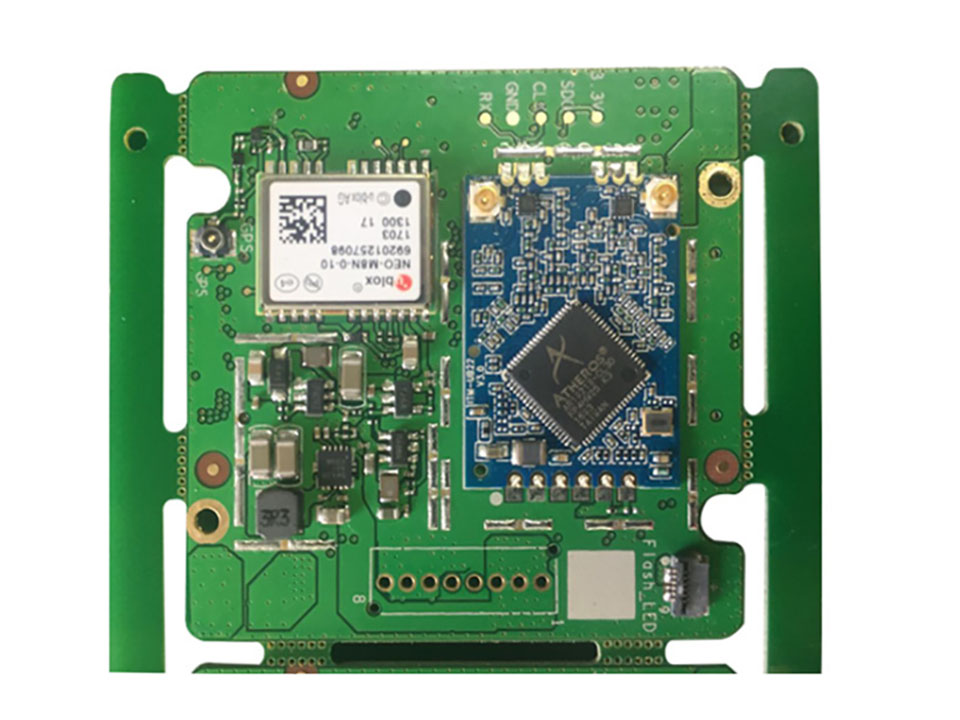
Real scenario: you’re building a GPS+FPGA control unit. Print only the connector side and the mounting bracket first. Verify real cable bend radius and service access. That saves you a mechanical redo after the PCB is already locked.
Prototype ladder for market testing
Here’s a practical ladder you can run in almost any team: startup, OEM lab, design studio, or EMS.
Prototype stage (from cheapest to deeper)
What you’re validating
What you show users
What “good enough” looks like
Source type
Low-fidelity prototype testing
clarity + intent
sketches, wireframes, one-pagers
people explain it back correctly
UX testing practice
Five-second testing
first impression
a single screen / headline
buyers get the value fast
UX research method
First-click testing
navigation + funnel
a simple task prompt
first click matches intent
UX research method
Clickable prototypes
usability + flow
clickable journey
users complete the job without coaching
product discovery practice
No-code and low-code MVP
real behavior
working slice
repeat use, fewer drop-offs
MVP / lean product practice
3D printing functional prototype
form/fit/handling
partial physical mock
install and access feel right
hardware prototyping practice
PCB prototyping + PCBA
real technical viability
assembled boards
stable enough for field trials
DFM/NPI practice
PCB prototyping for market testing
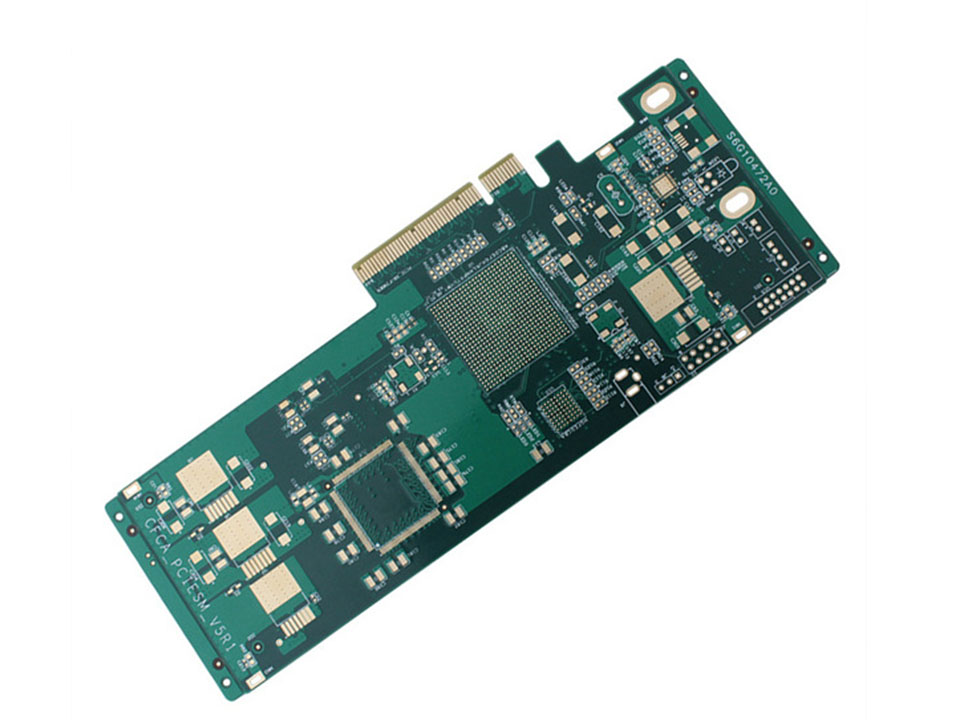
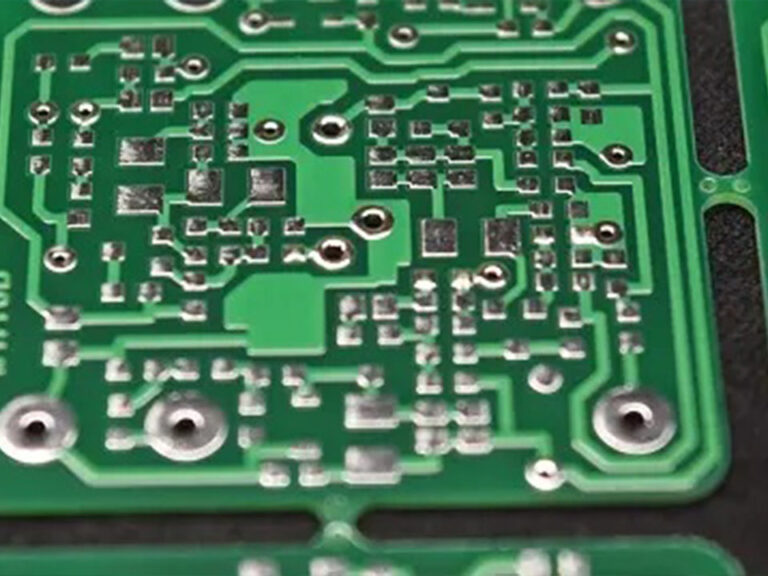
Once you hit PCB, the goal changes. Now you’re not just testing demand. You’re testing buildability and repeatability.
If you’re selling B2B—OEMs, EMS providers, brand owners, R&D labs—your prototype has to survive real handling: connector cycles, thermal soak, EMI headaches, and rushed install jobs.
A few moves keep prototypes lean:
Tight DFM upfront (avoid respins)
Layout choices that don’t punish assembly
Clear build notes so nothing becomes guesswork
A partner who can scale from proto to batch without drama
If you’re mapping that path, a good overview page is Services, and for complex tech (HDI, RF, rigid-flex) you’ll want Advanced PCB.
DFM checks
DFM is how you dodge respins. It catches the boring stuff that kills schedules: annular rings, soldermask slivers, drill-to-copper, courtyard clashes, via-in-pad decisions, impedance notes that don’t match stack-up reality.
Street-level truth: every respin burns your test window. Market timing doesn’t wait for your second Gerber.
Panelization
If you’re doing pilot builds or sample kits, panelization can make handling and assembly smoother. It also helps you standardize workholding and reduce process friction on the SMT line.
Real scenario: you’re shipping evaluation units to distributors and local service partners. Panelize smartly so the line runs clean, depaneling doesn’t crack parts, and you don’t end up with weird scrap.
PCB assembly readiness
A functional prototype often fails in assembly, not design. Keep prototypes assembly-friendly:
Use sane footprints and common packages when possible
Avoid weird orientations that slow placement
Reduce hand-solder parts unless the point of the test is manual serviceability
Keep BOM clean and aligned with an AVL mindset (fewer surprises)
If you want to go from prototype to assembled boards fast, anchor your plan around PCB assembly and your QC expectations around Quality control.
How this fits B2B buyers
Your buyer mix matters. Bulk and OEM/ODM customers care about different pain points:
OEM/brand owners: stable quality, on-time delivery, scalable process
EMS/contract manufacturing: clean documentation, predictable assembly, fewer odd parts
Design houses and studios: fast feedback, clear DFM, quick iteration
Labs and universities: reliability, repeatable builds, traceable process
That’s why our positioning stays simple: China-based B2B PCB manufacturing with quick-turn prototyping, mass production, and assembly—backed by strict QC and worldwide delivery. When you’re ready to run a real prototype cycle, use Contact us and share your target use case, board constraints, and what you’re trying to prove.
Wrap-up
The cheapest way to get functional prototypes for market testing is to stop paying for certainty you don’t need yet.
Start with low-fidelity testing. Prove the message and the flow. Move to a runnable slice when you need behavior. Move to physical mockups when you need feel and fit. Then invest in PCB prototyping and PCBA once the market signal is real and your DFM is tight.
That’s how you keep your prototype loop fast, your NPI cleaner, and your market test actually useful.
MC PCB.,Ltd, alongside Dongguan MaoChang Printed Circuit Board Limited,has focused on PCB manufacturing over 20 years. MaoChang Printed Circuit Board Limited, a professional PCB factory for Quick Turn PCB, Prototype PCB and High Mix Low Volume fabrication. With UL certification for Rigid FR-4 / High Frequency / Aluminum Based PCB production.
Company
About
Contact
Capabilities
Services
Application
Products
Quality
Blog
Products
Printed Circuit Boards
PCB Prototype
Flexible PCB
High Frequency PCB
Thick-Copper PCB
PCB Assembly
Metal core PCB
Thick-Copper PCB
Contact
0755-2889 4567
Room 1803, lA Building, Longwan, Nanhuai Road, Shajing, Bao'an District,Shenzhen City
No. 2, Lane 11, Wenming Road, Fourth Industrial Zone, Nanzha, Humen Town, Dongguan City