One-Stop PCB Factory: Prototype to Mass Production
For hardware startups and OEMs, getting high-quality PCBs quickly and reliably is critical. MC PCB is a one-stop contract PCB manufacturer supporting prototypes to volume builds—backed by experienced engineering support and rigorous QA.
MC PCB Co., Ltd.
Began in 2005
One-Stop PCB Factory: Prototype to Mass Production
For hardware startups and OEMs, getting high-quality PCBs quickly and reliably is critical. MC PCB is a one-stop contract PCB manufacturer supporting prototypes to volume builds—backed by experienced engineering support and rigorous QA.
MC PCB Co., Ltd.
Began in 2005
No. 2, Lane 11, Wenming Road, Fourth Industrial Zone, Nanzha, Humen Town, Dongguan City
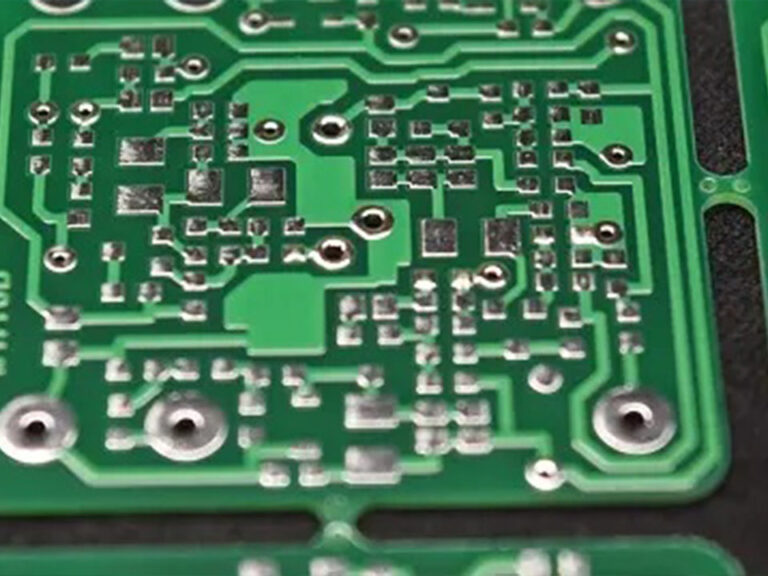
Why is green solder mask cheaper than other colors and should I use it?
Green solder mask costs less because fabs stock it, run it nonstop, and inspect it faster. Learn when to choose green vs other colors for your PCB builds fast.
If you’ve ever uploaded Gerbers for a quick-turn build, you’ve probably seen the same thing: green solder mask comes back as the “default” choice, and other colors often come with extra steps. That’s not a conspiracy. It’s just how PCB factories optimize throughput.
We run B2B builds for OEMs, EMS partners, design houses, labs, and startups—everything from prototypes to volume. On that kind of workflow, “default” usually means “fast, stable, low-risk.” That’s green.
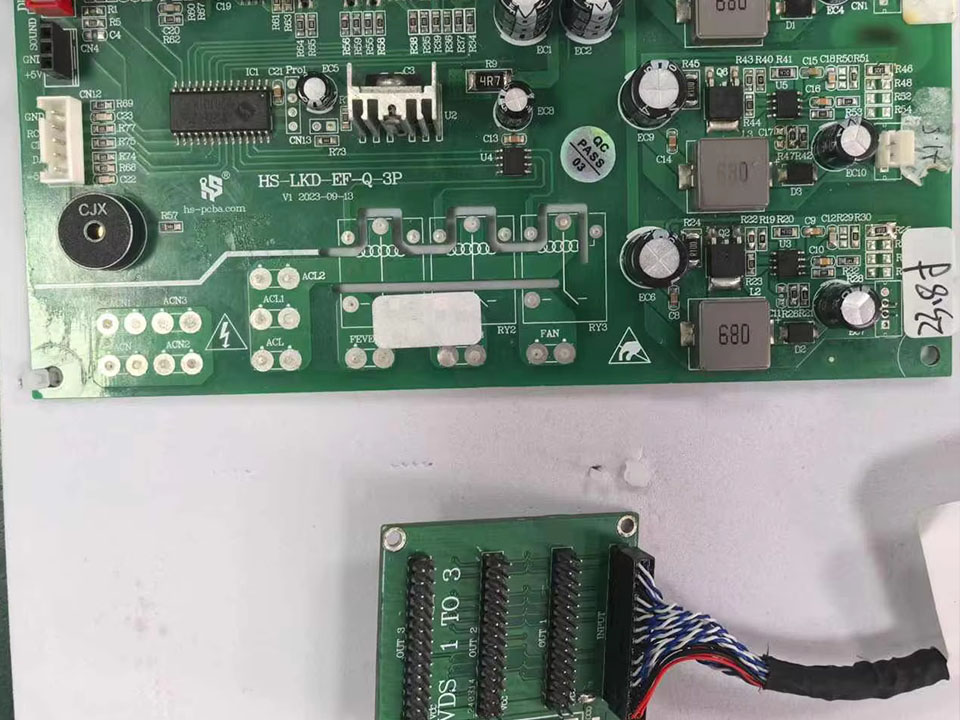
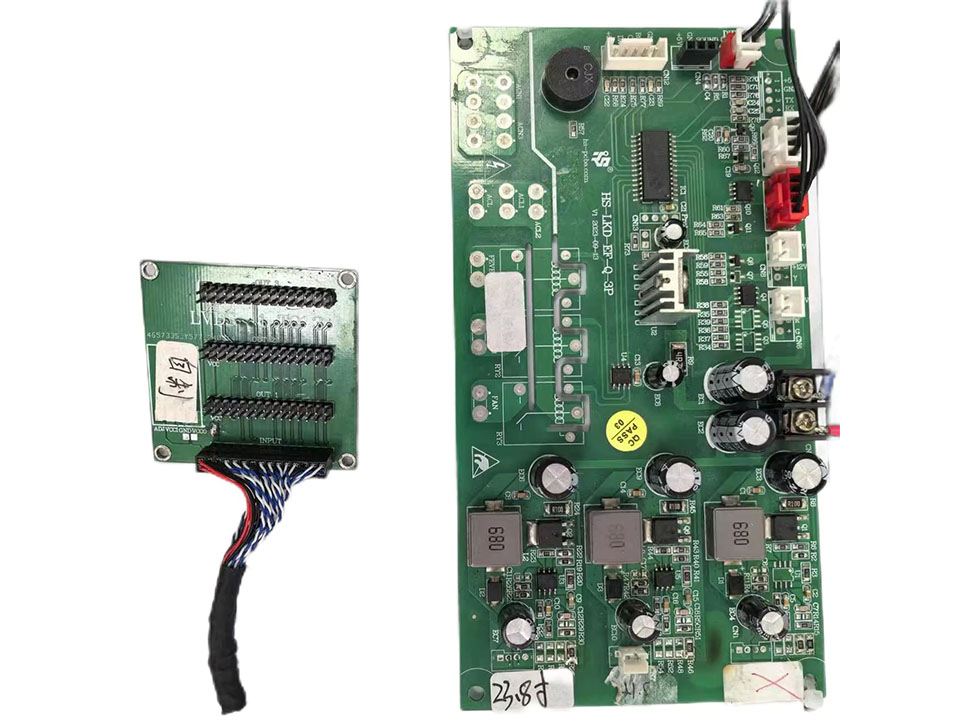
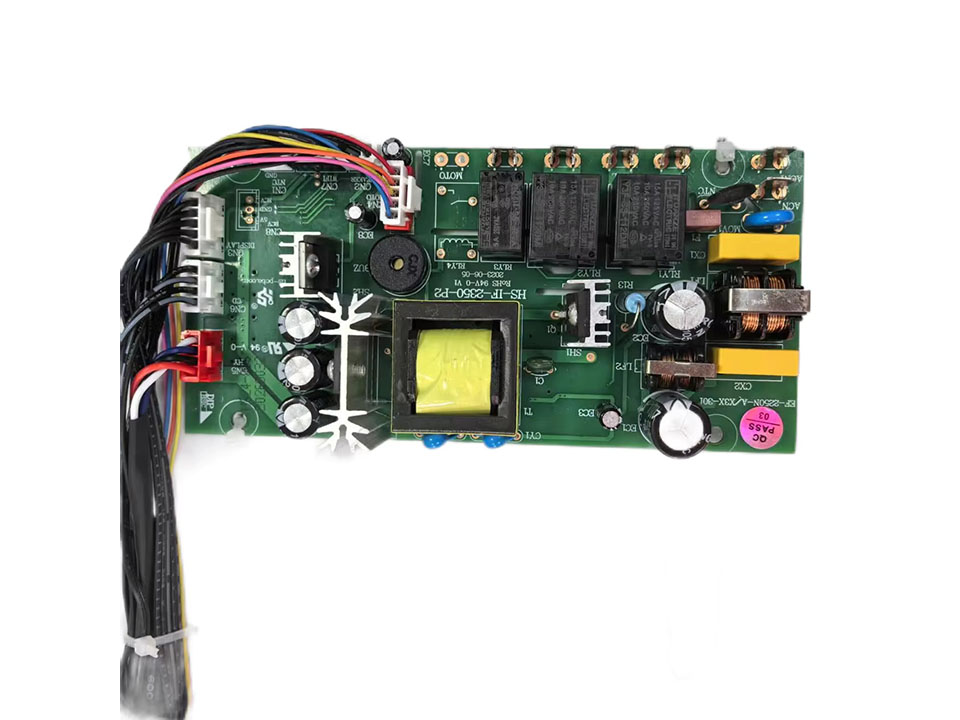
Green tends to be cheaper for one simple reason: factories run green all day. That makes green the “standard lane” in production.
High-volume stocking and fewer changeovers
Solder mask isn’t just “paint.” It’s a controlled material with handling rules, shelf-life tracking, viscosity control, and exposure/process windows. When a factory standardizes on one color, it can keep:
stable supply on the floor
consistent process parameters
fewer line changeovers (less downtime)
Every time you switch color, you invite small headaches: cleaning, setup verification, and extra checks before release. In production terms, that’s friction.
If you’re sourcing from China for speed and consistency, your best baseline is a factory that’s built to run repeatable processes at scale. Our positioning is exactly that: quick-turn plus volume execution with QC and on-time delivery. You can see the service scope on our Services page.
Stable process window means better yield
In real builds, “cheap” isn’t only about the quoted price. It’s about yield. If your solder mask process runs stable, you’ll usually see:
fewer cosmetic rejects
less solder mask misregistration
fewer touch-ups
fewer rework loops before shipping
Green often sits in the “most tuned” process window because it’s run most frequently. That helps the factory hit yield without babysitting the line.
If your project is fine-pitch, dense routing, or tight solder mask dams, it’s worth reading our Capabilities overview and flagging your critical geometry early.
Solder mask color and inspection visibility (AOI and human inspection)
Here’s the part engineers care about when boards land on the bench: Can I see what’s going on quickly?
Green usually wins because it plays nicer with both human eyes and inspection systems.
AOI contrast and defect spotting
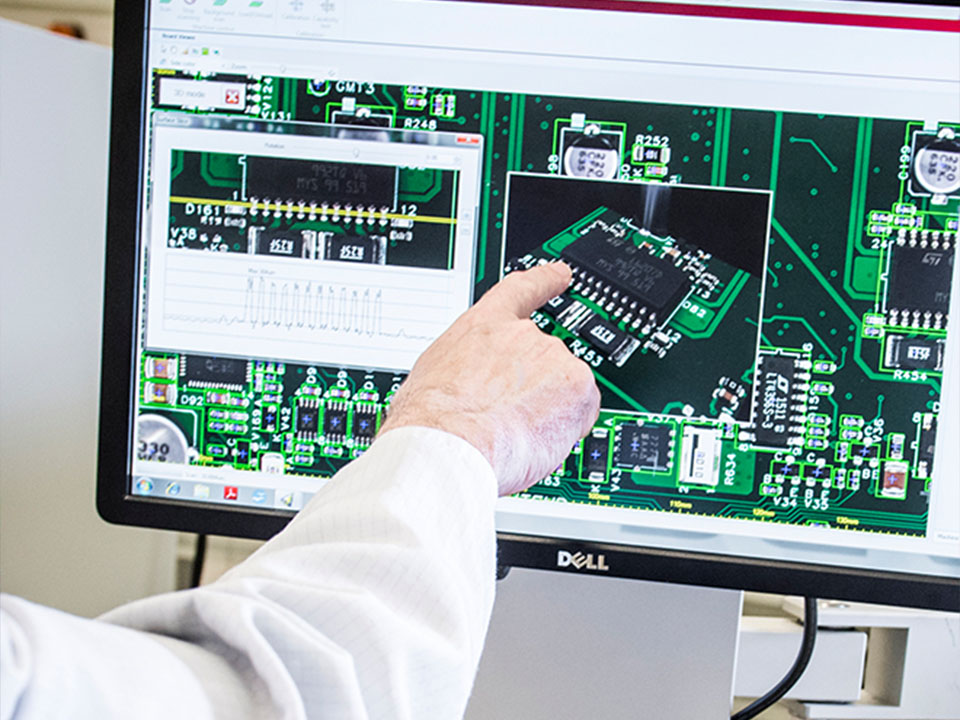
AOI (Automated Optical Inspection) depends on contrast and consistent reflectivity. Green tends to deliver predictable contrast against:
copper features
silkscreen
pads and solder joints
That can reduce false calls and missed calls. On an NPI line, fewer inspection headaches means fewer “stop-the-line” moments, which your EMS partner will absolutely appreciate.
If you’re going turnkey, the inspection flow matters as much as the fabrication. That’s why we pair fab with assembly options like SMT, testing, and controlled process steps—see PCB Assembly.
Bench debug speed
If you’re doing EVT/DVT builds, you’ll spend hours probing, reworking, and tracing nets. A board that’s easier to visually parse saves time. Green generally makes:
traces easier to follow
pad edges clearer
solder bridges easier to spot
It’s not glamorous, but it’s practical. And practical wins when you’re under a delivery deadline.
Fine-pitch, solder mask dam, and DFM risk
If your design has QFN, tight-pitch connectors, or BGAs, solder mask behavior stops being cosmetic and starts becoming a yield lever.
Fine-pitch mask dams and bridging risk
A solder mask dam is the thin strip of mask between pads. If it’s too thin for the process, you get:
mask washout
exposed copper where you didn’t want it
higher chance of solder bridging during reflow
Green is commonly treated as the baseline process in many factories, so it often gets the most predictable results for tight dams. That doesn’t mean other colors can’t work. It means green is usually the lowest DFM risk choice when you’re pushing geometry.
If you’re building HDI, impedance control, or advanced stackups, you’ll want a tighter DFM loop anyway. Our Advanced PCB page is a good place to align expectations before you lock a color.
Registration and production tolerance
Mask registration is never perfect. The tighter your design rules, the more color choice can become “one more variable.” When you keep variables down, you get cleaner manufacturing outcomes. That’s the same logic behind standardizing surface finishes, panelization rules, and solder paste strategy.
If you’re ordering prototype spins and want predictable execution, check our PCB Fabrication service flow.
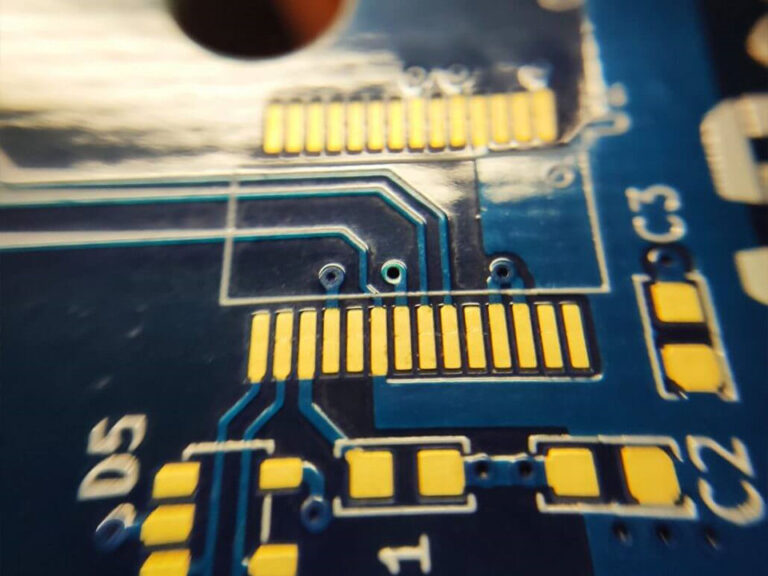
Solder mask color usually doesn’t change electrical performance
This surprises some buyers: solder mask color rarely changes circuit performance in a meaningful way for typical products.
Color choice mostly affects:
manufacturability
inspection and debugging
cosmetics/branding
Your real electrical levers are stackup, dielectric choice, copper roughness, impedance control, and layout. If you’re building RF or high-speed, focus your energy there first, then decide color based on the product needs.
Green vs other solder mask colors: what changes in the fab
Below is a practical summary you can hand to your team. It avoids cost numbers and focuses on real production impact.
Topic
Green solder mask
Other colors (red/blue/black/white, etc.)
What it means for you
Material availability
Typically stocked and run daily
May require special batching or scheduling
Green is easier to slot into quick-turn
Line changeover
Minimal
More setup and verification work
Non-green can add process friction
AOI + visual inspection
Usually high contrast
Contrast varies by color and finish
Green can reduce inspection pain
Fine-pitch risk
Often treated as baseline capability
Depends on fab tuning per color
Green is usually the safer DFM default
Debug and rework
Traces/pads easier to see
Can be harder to read (depends)
Green speeds up bench work
Product aesthetics
Standard “engineering look”
Strong for branding/ID
Other colors can help product identity
Sources used in this article: internal service positioning and manufacturing scope from our site pages: Capabilities, Quality, PCB Fabrication, PCB Assembly, plus internal link inventory from the provided PCB.json file.
Should I use green solder mask?
Most B2B buyers should default to green unless there’s a clear reason not to. Here’s a decision guide that matches real customer scenarios.
Use green solder mask for quick-turn prototyping and NPI
Choose green when you care about:
fastest quoting and smoother scheduling
predictable yield on early spins
faster debug for firmware bring-up
fewer surprises for your EMS partner
This fits startups, innovation teams, labs, and design firms doing rapid iteration. If that’s you, you’ll probably also want a clean prototype path like our custom PCB prototype manufacturing service.
Use other solder mask colors for product ID, branding, or line separation
Pick a different color when:
your product is consumer-facing and the board is visible
you need color-coding for variants (A/B SKUs, revisions, service parts)
you want instant visual separation in an assembly line or repair workflow
A real example: repair and spare-part programs love fast identification. When a technician can grab the right board without reading tiny silkscreen, you cut mistakes and speed up RMA handling.
Be careful with dense layouts and high reliability builds
If you’re doing tight pitch, HDI, or harsh-environment reliability, treat color as a controlled variable:
lock DFM rules early
confirm mask dam targets
align inspection method (AOI + visual)
keep the process stable across builds
If quality gates matter (and in B2B they always do), align on inspection, traceability, and process control. Our Quality page lays out the kind of controls buyers usually ask for.
Practical recommendation for B2B buyers
If you want the shortest path to stable delivery, do this:
Start with green for prototypes and first volume.
Validate yield, AOI behavior, and rework time.
Switch colors only when branding, ID, or product visibility gives you a real payoff.
That approach keeps your NPI cycle tight and your supply chain calm. And honestly, calm supply chains ship more product.
If you want to run a DFM pass focused on solder mask dams, fine-pitch pads, and assembly risk, reach out through our Contact Us page with your Gerbers and build notes.
MC PCB.,Ltd, alongside Dongguan MaoChang Printed Circuit Board Limited,has focused on PCB manufacturing over 20 years. MaoChang Printed Circuit Board Limited, a professional PCB factory for Quick Turn PCB, Prototype PCB and High Mix Low Volume fabrication. With UL certification for Rigid FR-4 / High Frequency / Aluminum Based PCB production.
Company
About
Contact
Capabilities
Services
Application
Products
Quality
Blog
Products
Printed Circuit Boards
PCB Prototype
Flexible PCB
High Frequency PCB
Thick-Copper PCB
PCB Assembly
Metal core PCB
Thick-Copper PCB
Contact
0755-2889 4567
Room 1803, lA Building, Longwan, Nanhuai Road, Shajing, Bao'an District,Shenzhen City
No. 2, Lane 11, Wenming Road, Fourth Industrial Zone, Nanzha, Humen Town, Dongguan City