One-Stop PCB Factory: Prototype to Mass Production
For hardware startups and OEMs, getting high-quality PCBs quickly and reliably is critical. MC PCB is a one-stop contract PCB manufacturer supporting prototypes to volume builds—backed by experienced engineering support and rigorous QA.
MC PCB Co., Ltd.
Began in 2005
One-Stop PCB Factory: Prototype to Mass Production
For hardware startups and OEMs, getting high-quality PCBs quickly and reliably is critical. MC PCB is a one-stop contract PCB manufacturer supporting prototypes to volume builds—backed by experienced engineering support and rigorous QA.
MC PCB Co., Ltd.
Began in 2005
No. 2, Lane 11, Wenming Road, Fourth Industrial Zone, Nanzha, Humen Town, Dongguan City
If you’ve ever unboxed a “finished” PCB delivery, plugged it in, and watched nothing happen, you already know the problem: a board can “pass inspection” and still fail your product. That’s why smart OEMs, EMS teams, and design houses don’t just ask for “testing.” They ask for the right tests, plus the proof that those tests actually ran.
This guide fits China B2B buyers who do custom builds, wholesale batches, and OEM/ODM. It also works for NPI ramps (EVT/DVT/PVT) and steady mass production.
PCB delivery vs PCBA delivery
Start here, or you’ll argue in circles later.
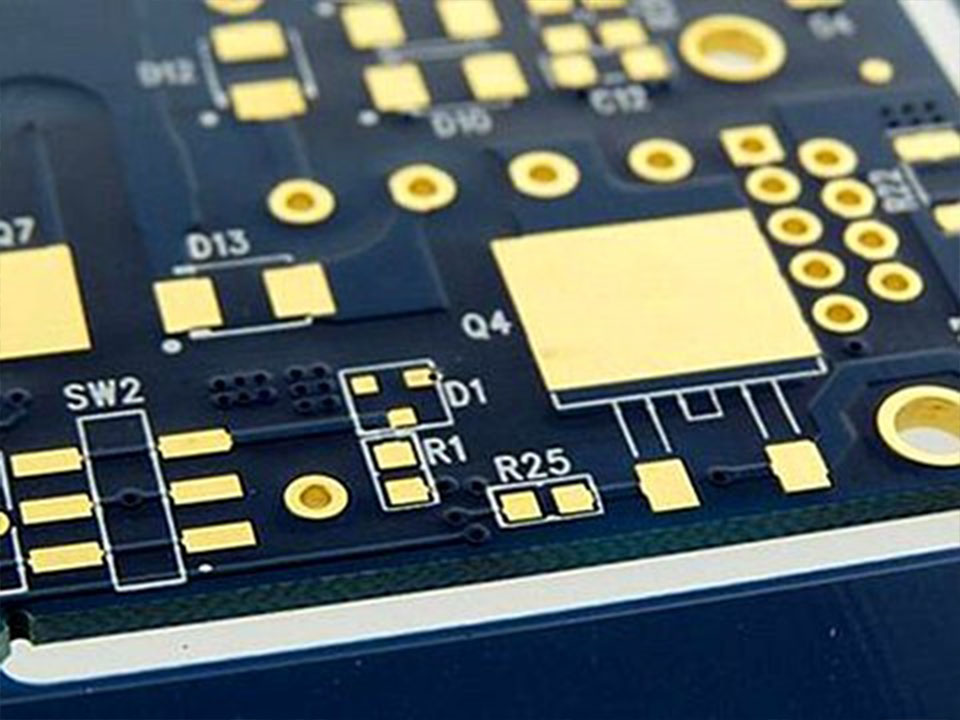
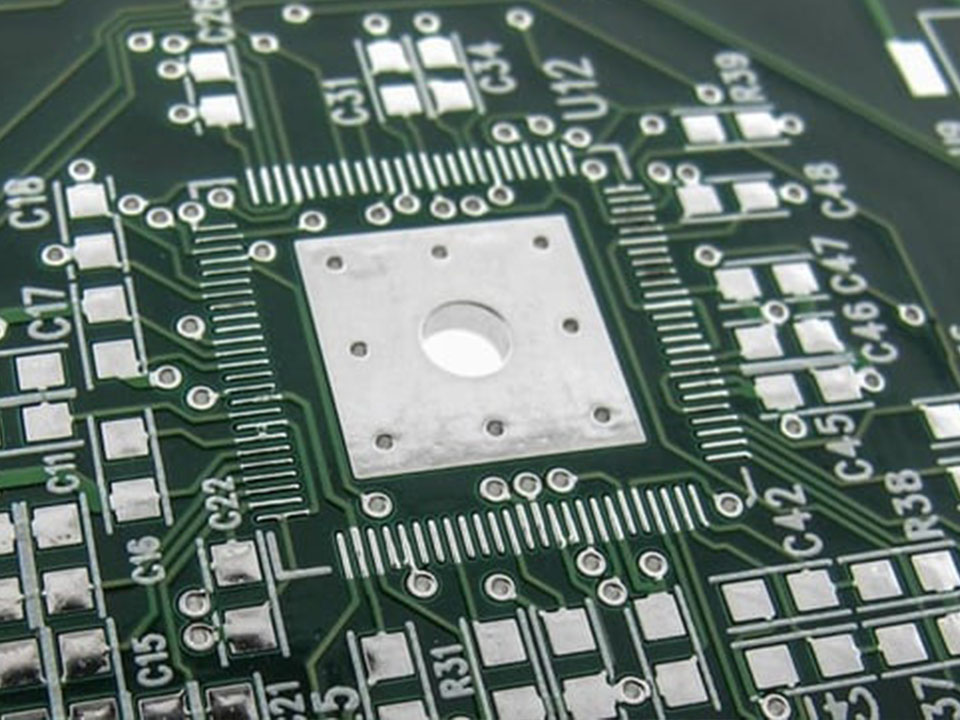
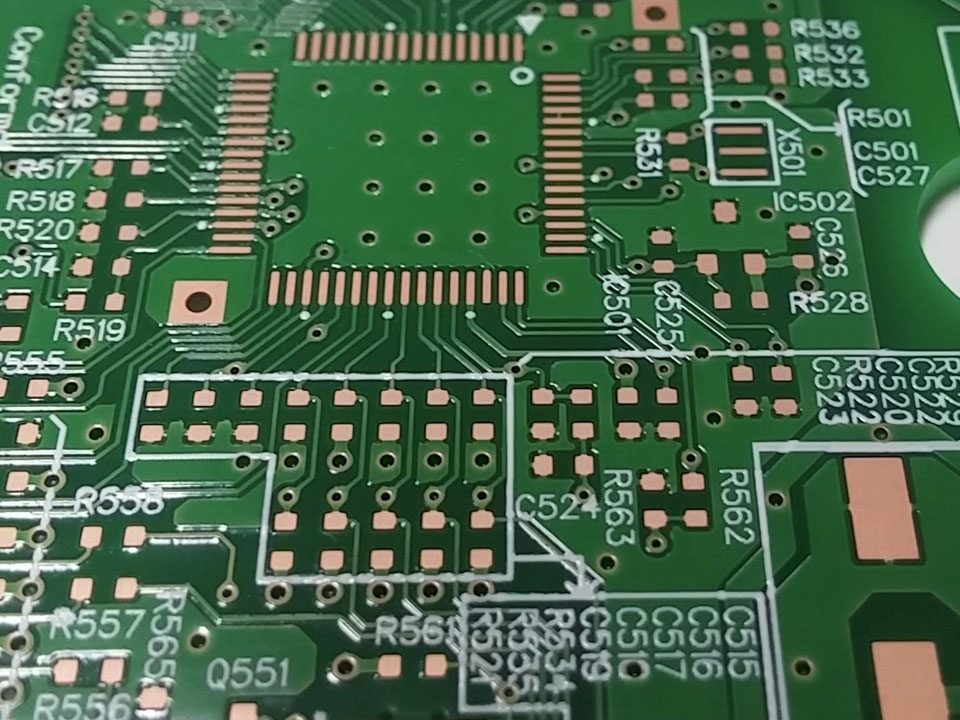
PCB (bare board) delivery means copper and laminate. You can’t run real “functional tests” because there are no parts to power up.
PCBA (assembled board) delivery means components are mounted. Now you can require functional test (FCT) that powers the board and checks behavior.
If your PO says “PCB” but you expect “board boots firmware,” you’re setting up a field-fail surprise.
X-ray inspection matters when joints hide under the part (BGA/QFN). If you ship without X-ray on those packages, you’re betting your schedule on luck.
In real builds, AOI/X-ray protects your yield. FCT protects your customer experience. You need both when the design is dense or the volume is high.
If your build involves fine pitch, HDI, or tight layouts, it’s worth aligning early with the factory’s Capabilities page so your test approach matches the process window.
ICT and flying probe test
This is the “manufacturing truth serum.”
ICT (In-Circuit Test) uses a bed-of-nails fixture to test components and nets fast. Great for stable, repeat runs.
Flying probe test avoids custom fixtures and works well in prototypes and low-to-mid volumes. It’s slower, but it gets you coverage without tooling delays.
A clean strategy looks like this:
Prototype / NPI: flying probe + a lighter FCT (focus on core functions)
Mass production: ICT (or boundary scan/JTAG where it fits) + full FCT
FCT does not replace AOI/ICT
This point saves a lot of teams.
If you only run FCT, you can still ship boards with:
marginal solder joints that “work today”
swapped passives that slip through a light functional check
intermittent opens that appear after vibration or thermal cycling
AOI/ICT/Flying probe catch manufacturing defects. FCT validates system behavior. Put them together and you stop playing whack-a-mole.
Design for test (DFT)
If you want reliable testing, your layout has to cooperate.
DFT means you plan for:
test points on critical nets (power rails, resets, key buses)
access for bed-of-nails probes
programming headers or pads (SWD/JTAG/UART)
clear reference points for automated measurement
built-in self-test hooks in firmware (simple command set = faster FCT)
A board with zero test access forces the factory into hand probing and “best effort.” That’s how schedules slip.
Acceptance criteria and test reports
Buyers often say “send a test report,” but they don’t define what that means. Here’s a clean way to write acceptance:
For PCB (bare board): require electrical test (opens/shorts) + dimensional checks + any impedance verification you specified in the build notes.
For PCBA: require AOI (and X-ray where needed) + ICT or flying probe (when appropriate) + FCT with documented limits and logs.
If you want a single place to route these requirements internally, link your team to Quality so purchasing, engineering, and your supplier all speak the same language.
Functional tests to require as part of PCB delivery
Below is a buyer-friendly table you can copy into a PO or SOW. It avoids fluff and tells the factory exactly what “done” looks like.
Test / deliverable
PCB (bare board)
PCBA (assembled board)
What it protects you from
Evidence you should request
Electrical test (opens/shorts)
√
√ (as part of ICT/flying probe coverage)
dead nets, shorts, hidden scrap
test summary + lot trace
Dimensional checks
√
√
fit issues, connector misalignment
measurement record
AOI
—
√
wrong/missing parts, polarity, solder bridges
AOI result + defect images
X-ray inspection
—
√ (BGA/QFN)
voids, head-in-pillow, hidden solder fails
X-ray images + checklist
Flying probe test
(common in prototype)
√(low-mid volume)
early build escapes without fixtures
coverage statement + results
ICT (bed-of-nails)
—
(repeat volume)
systematic assembly faults
coverage + yield trend
Functional test (FCT)
—
(required for “works in product”)
“passes inspection but doesn’t work”
limits + serial logs + failure record
Firmware programming & ID
—
(if firmware applies)
wrong build, wrong version in field
version readback + SN mapping
Typical functional test scenarios
Here are a few real-world FCT “must-haves” that match common buyer pain:
Motor control board (industrial / robotics): spin test, current sensing sanity, fault injection, safe stop. If you’re building a control panel style board, a related product example lives here: multilayer motor control PCB.
High-frequency / RF board: impedance-critical checks plus a basic RF path sanity check (at minimum, power rails + interface + config). See: Rogers 4003 RF PCB.
Automotive-oriented control assemblies: traceability, tighter process discipline, and test logs that map serial numbers to results. A relevant internal page: IATF16949 control PCB assembly.
Fast prototype builds: keep FCT lean—power + boot + key I/O—then expand coverage as you move from EVT to DVT. For quick-turn prototypes, this page is a good anchor: PCB prototype manufacturing service.
A simple buyer checklist
Before you place the order, make sure your team can answer these:
Is this PCB or PCBA delivery?
What does “works” mean in one sentence (boot, communicate, drive load, measure sensor)?
Which tests run 100% and which run by sampling?
What proof do you need per unit (logs) vs per lot (summary)?
Who owns the FCT fixture, firmware, and golden unit?
If you want an easy next step, point new buyers to our homepage to route them to fabrication, assembly, and quality expectations in one place.
MC PCB.,Ltd, alongside Dongguan MaoChang Printed Circuit Board Limited,has focused on PCB manufacturing over 20 years. MaoChang Printed Circuit Board Limited, a professional PCB factory for Quick Turn PCB, Prototype PCB and High Mix Low Volume fabrication. With UL certification for Rigid FR-4 / High Frequency / Aluminum Based PCB production.
Company
About
Contact
Capabilities
Services
Application
Products
Quality
Blog
Products
Printed Circuit Boards
PCB Prototype
Flexible PCB
High Frequency PCB
Thick-Copper PCB
PCB Assembly
Metal core PCB
Thick-Copper PCB
Contact
0755-2889 4567
Room 1803, lA Building, Longwan, Nanhuai Road, Shajing, Bao'an District,Shenzhen City
No. 2, Lane 11, Wenming Road, Fourth Industrial Zone, Nanzha, Humen Town, Dongguan City