One-Stop PCB Factory: Prototype to Mass Production
For hardware startups and OEMs, getting high-quality PCBs quickly and reliably is critical. MC PCB is a one-stop contract PCB manufacturer supporting prototypes to volume builds—backed by experienced engineering support and rigorous QA.
MC PCB Co., Ltd.
Began in 2005
One-Stop PCB Factory: Prototype to Mass Production
For hardware startups and OEMs, getting high-quality PCBs quickly and reliably is critical. MC PCB is a one-stop contract PCB manufacturer supporting prototypes to volume builds—backed by experienced engineering support and rigorous QA.
MC PCB Co., Ltd.
Began in 2005
No. 2, Lane 11, Wenming Road, Fourth Industrial Zone, Nanzha, Humen Town, Dongguan City
What are the assembly challenges with rigid-flex PCBs?
Rigid-flex PCB assembly looks easy until reflow. Learn causes of delamination, warpage, paste issues, and how fixtures and DFM keep yield stable on the line.
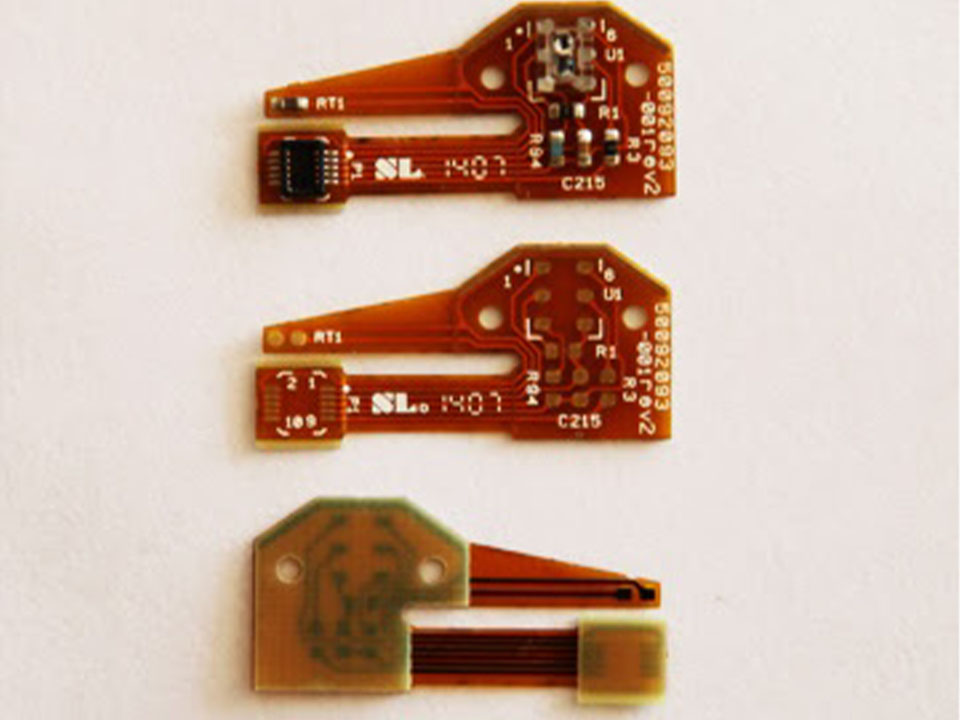
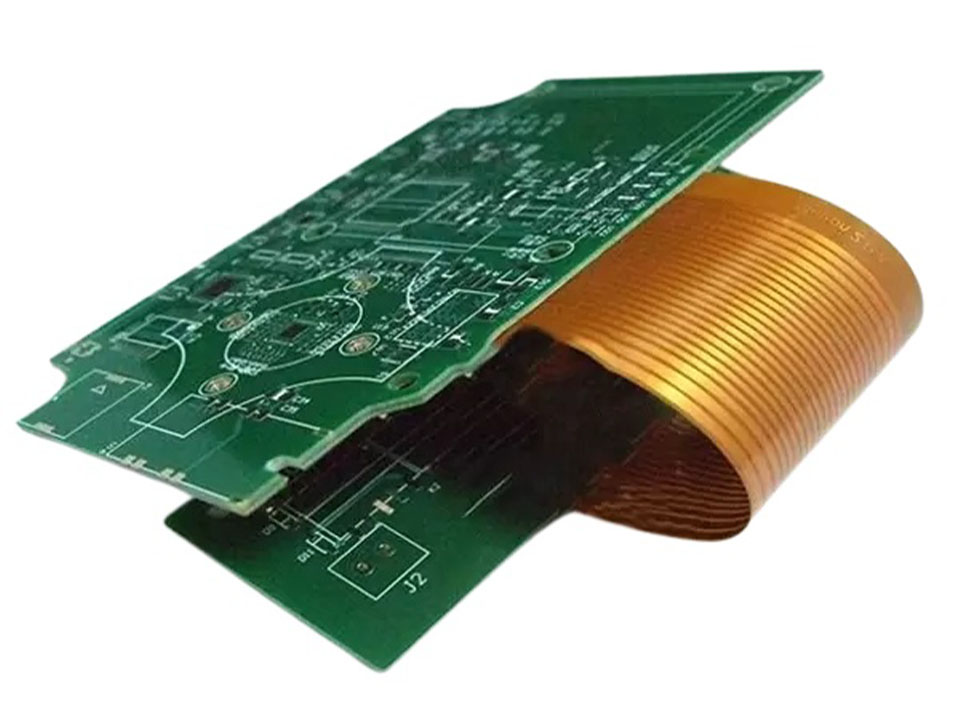
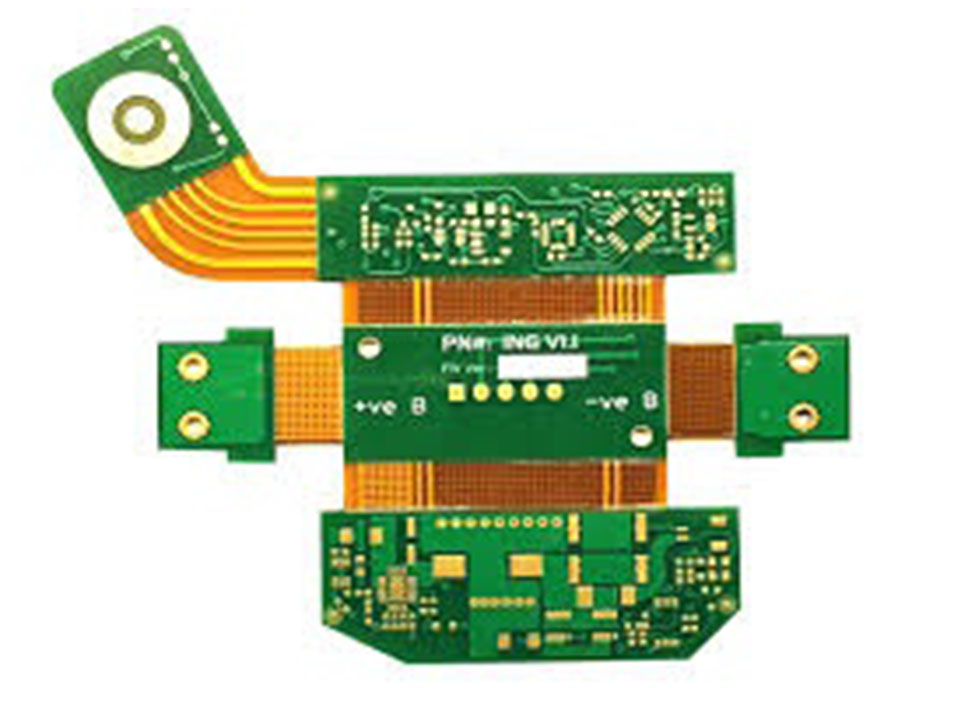
Rigid-flex sounds simple on paper: keep the rigid area for components, use the flex tail for routing and tight packaging. In real SMT lines, it behaves more like “two different boards glued together,” and your process window gets smaller fast.
If you’re building for NPI speed, stable yield, and repeatable QC, you’ll want your supplier to treat rigid-flex as a dedicated flow, not “regular SMT with a bendy part.” That’s the mindset behind our China PCB B2B factory approach to quick-turn builds and production runs.
Rigid-flex PCB assembly challenges
Here’s a practical view of the problems that show up most often on the line, plus how teams usually de-risk them.
Challenge keyword
What you’ll see on the line
Typical root cause
Process control that actually helps
Delamination
bubbles, lifted layers, weak bond at flex/rigid
moisture + heat, adhesive stress
pre-bake, dry storage, controlled reflow ramp
CTE mismatch
cracks near the rigid-flex transition, intermittent opens
placement shift, opens on fine pitch, skewed connectors
unbalanced construction, stiffener layout
symmetric build where possible, fixtures, smart panelization
Stencil printing
paste starvation or bridges, unstable paste release
mixed surface height, flex movement
step stencil, solid support tooling, SPI checks
Fixturing
bent flex tails, mis-registration, handling damage
unsupported flex during print/place/reflow
carrier boards, vacuum fixtures, handling rules on traveler
Stiffeners
stress cracks at stiffener edge, delam near adhesive
poor placement, bad overlap rules
stiffener DFM, adhesive control, keep-outs
Bend radius
cracked copper after bending, early field failures
too-tight bend, copper work hardening
correct bend radius for static/dynamic, strain relief
Vias near interface
via crack, opens after cycling
stress concentration at transition
move vias away, strengthen stack design, clear fab notes
Inspection limits
defects missed in transition area
access + geometry challenges
AOI tuned for mixed zones, X-ray where needed, test strategy
Now let’s break down the big ones with real-world scenarios.
Delamination during reflow soldering
Rigid-flex laminates can trap moisture. Once you hit reflow, that moisture expands. You may not notice anything right away, but later you’ll see blisters, lifted coverlay edges, or weak bonds that fail after a few thermal cycles.
Where it hurts most: quick-turn prototypes that sit on a shelf, then rush straight into reflow. It also shows up in consumer gear with thin flex sections, where the lamination stack has less forgiveness.
What to do:
Put bake + dry pack into the traveler for builds that need it.
Lock a stable reflow profile. Don’t chase speed if it blows up yield.
Keep storage discipline. Small shortcuts here become big rework loops later.
If you’re running a mixed prototype-to-production pipeline, align this with your PCB assembly service so the process stays consistent from EVT to MP.
CTE mismatch at the rigid-flex transition
CTE mismatch is the classic rigid-flex trap. FR-4 and polyimide expand differently with heat. The transition zone takes that stress like a hinge, and the stress doesn’t spread evenly. It concentrates right where you least want it.
You’ll spot it as:
micro-cracks near the transition
intermittent opens that “heal” after rework, then come back in the field
failures that only show up after thermal cycling
A common scenario: a foldable product or a camera module where the flex tail folds during assembly and again during final box build. That’s repeated mechanical stress stacked on top of thermal stress.
Design + process moves that reduce pain:
Keep sensitive features away from the transition (pads, vias, fine traces).
Use slower ramps and more uniform heating.
Call out transition rules clearly in your PCB fabrication notes so fab and assembly don’t guess.
If your product lives in a tight hinge or fold area, it also helps to review a rigid-flex-specific build, like rigid-flex PCB for foldable flex circuits as a reference point for stack decisions.
Warping and coplanarity
Rigid-flex can warp in ways a standard rigid board won’t. Even small bow/twist can break coplanarity on fine-pitch parts, BGAs, or connector-heavy boards. Then you get opens, skew, and the dreaded “it passes ICT but fails in system.”
Typical triggers:
unbalanced copper distribution
asymmetric stackups
stiffeners placed without thinking about overall mechanical balance
In industrial control boards, warpage shows up when you mix heavy copper zones with dense connectors. In wearables and compact consumer electronics, it shows up because everything’s thin and packed tight.
What helps:
Panelize with support in mind. Don’t leave flex sections flapping in the breeze.
Use fixtures through print/place/reflow if the geometry demands it.
Make your build rules explicit in your capabilities discussion early, before you lock the mechanical design.
Solder paste printing and step stencil
Printing paste on rigid-flex can feel like printing on a board that keeps changing shape. Height differences between rigid and flex zones, plus soft sections that flex under squeegee pressure, can lead to paste volume variation. That turns into bridges on one side and starved joints on the other.
Where you’ll feel it:
fine-pitch QFNs near a transition
dense connector footprints where coplanarity matters
mixed technology builds where you already run a tight margin
Practical fixes:
Use a step stencil when you have mixed heights.
Add solid support tooling under the flex area during print.
Validate with SPI and adjust before you burn time in rework.
If you’re doing turnkey builds, this is the kind of detail that separates “assembled” from “production-ready.” It also ties directly into your quality control plan.
Fixtures and carrier boards
Rigid-flex needs respect at the handling level. Operators can crease a flex tail in seconds. Pick-and-place can pull a flex section out of alignment if the tooling doesn’t hold it down. Even conveyors can snag an unsupported tail.
You’ll want:
carrier boards that keep the assembly flat end-to-end
clear handling rules (what can be bent, where, and when)
defined support points for printing and placement
This matters most for OEM/ODM and contract manufacturing flows where multiple stations touch the same build. One weak handoff can ruin the whole lot.
Stiffeners and adhesive placement
Stiffeners solve real problems: connector support, ZIF areas, and mechanical reinforcement. But poorly placed stiffeners create stress risers. You’ll see cracks at the stiffener edge, pad damage near overlap zones, or delamination where adhesive meets heat.
Rules of thumb that hold up in production:
Keep stiffener edges away from high-stress copper features.
Control adhesive coverage and cure conditions.
Treat stiffeners as part of DFM, not an afterthought.
A rigid-flex board will bend. The question is whether it bends inside a safe strain window.
If you bend too tight, copper work-hardens. Then it cracks. Sometimes it fails instantly. More often, it fails later as an intermittent open that only shows up after shipping, vibration, or temperature swings.
Real scenarios:
robotics cables and moving harness replacements (dynamic bending)
foldable consumer products (repeated static bends during use)
medical devices where reliability rules the day (low tolerance for latent failures)
The fix isn’t magic. You set correct bend radius rules (static vs dynamic), add strain relief, and keep critical routing out of the bend hot zone.
Vias near the rigid-flex interface
Vias near the transition zone take a beating. The interface already concentrates stress. Add plated holes right there, and you’ve built a crack starter.
What you can do:
move vias away from the transition
reinforce the stack and document it clearly
align fab notes so nobody “optimizes” your risk back into the design
This is where a solid DFM loop pays off. It saves you from a late-stage ECO that delays your launch.
Inspection: AOI and X-ray
Rigid-flex can hide defects in awkward places. Flex tails can block views. Transitions can create shadows or geometry that breaks AOI tuning. If you use BGAs or tight QFNs, you may need X-ray for confidence.
A practical inspection strategy:
Tune AOI for mixed rigid/flex zones (don’t reuse your rigid-only recipe).
Use X-ray when solder joint visibility drops.
Add electrical test coverage that matches real failure modes, not just “green test reports.”
If you’re ready to align DFM, build notes, and inspection strategy with a supplier that supports fast prototyping through volume, start at the homepage and route your requirement pack to the right team. If you already have Gerbers and a BOM, you can also go straight to contact us to kick off the build review.
MC PCB.,Ltd, alongside Dongguan MaoChang Printed Circuit Board Limited,has focused on PCB manufacturing over 20 years. MaoChang Printed Circuit Board Limited, a professional PCB factory for Quick Turn PCB, Prototype PCB and High Mix Low Volume fabrication. With UL certification for Rigid FR-4 / High Frequency / Aluminum Based PCB production.
Company
About
Contact
Capabilities
Services
Application
Products
Quality
Blog
Products
Printed Circuit Boards
PCB Prototype
Flexible PCB
High Frequency PCB
Thick-Copper PCB
PCB Assembly
Metal core PCB
Thick-Copper PCB
Contact
0755-2889 4567
Room 1803, lA Building, Longwan, Nanhuai Road, Shajing, Bao'an District,Shenzhen City
No. 2, Lane 11, Wenming Road, Fourth Industrial Zone, Nanzha, Humen Town, Dongguan City