One-Stop PCB Factory: Prototype to Mass Production
For hardware startups and OEMs, getting high-quality PCBs quickly and reliably is critical. MC PCB is a one-stop contract PCB manufacturer supporting prototypes to volume builds—backed by experienced engineering support and rigorous QA.
MC PCB Co., Ltd.
Began in 2005
One-Stop PCB Factory: Prototype to Mass Production
For hardware startups and OEMs, getting high-quality PCBs quickly and reliably is critical. MC PCB is a one-stop contract PCB manufacturer supporting prototypes to volume builds—backed by experienced engineering support and rigorous QA.
MC PCB Co., Ltd.
Began in 2005
No. 2, Lane 11, Wenming Road, Fourth Industrial Zone, Nanzha, Humen Town, Dongguan City
When you jump from 10 boards to 1,000 boards, you’re not just “ordering more.” You’re switching manufacturing modes. Prototype mode burns time on setup, engineering checks, and one-off handling. Production mode rewards repeatability, stable yields, and clean panel utilization.
If you buy for OEM/ODM, EMS, brand owners, or wholesale channels, this matters because your real enemy isn’t “price.” It’s surprise cost: re-spins, low yield, delayed builds, and last-minute spec changes.
Below is a practical breakdown you can use when you talk to a PCB factory about fast prototyping, mass production, and PCB assembly—the exact mix we focus on at MC PCB Co., Ltd..
Quantity and fixed setup cost
Factories don’t magically work harder for small batches. They just spend the same “startup” steps on fewer pieces.
At 10 units, fixed steps dominate:
CAM check and tooling prep
Line changeover and process tuning
First-article inspection and sign-off
Extra hand-holding when data looks risky
At 1,000 units, you spread that setup across a bigger run. Unit cost drops, and—more important—your schedule becomes easier to control.
Real-world scene: A hardware startup runs EVT with 10–20 boards. You’re still chasing schematic fixes and footprint issues. You want speed and clear feedback, not fancy optimization. Then DVT hits, and suddenly you need stable output. That’s when volume starts paying you back.
Tooling and setup cost
Tooling is the factory’s “get-ready” checklist. Even if you don’t see a separate line item, it shows up in the quote.
What pushes setup effort up:
mixed stackups across revisions
unclear fab notes (finish, mask, impedance, tolerances)
tight deadlines that force rush scheduling
incomplete panel drawings or unclear array rules
How to keep it sane:
Lock your fab notes early
Keep revisions disciplined (don’t ship three BOM versions “just in case”)
Ask for a DFM pass before you press “go” on the next build
If you want a team that can handle both quick-turn and production discipline, check PCB Fabrication and Capabilities.
Materials feel “basic,” but they bite fast when you change specs late.
Common cost drivers in this bucket:
high-Tg or special laminate
heavy copper
specialty finishes
strict color/appearance requirements that tighten inspection
At low volume, the factory can’t always optimize material usage. At higher volume, they can plan panels, reduce waste, and keep process windows stable.
Real-world scene: You build industrial control boards and decide to upgrade the finish for better shelf life. That’s valid. Just make the decision once, then stick to it. Flip-flopping finishes mid-stream creates scrap and slows the line.
If you’re sourcing for multiple product lines, the Products section helps you map materials to different board types faster.
Labor and overhead: why “hands-on” hurts prototypes
Prototype batches trigger manual work:
extra handling per panel
more frequent checks
more operator time on odd features and exceptions
Volume builds run smoother because they’re repetitive. The process settles down, yields stabilize, and operators stop fighting surprises.
Factory slang you’ll hear:
“process window” (how tolerant the build is)
“yield” (how many boards pass)
“scrap” (the boards that don’t)
If you want fewer quote surprises, design for a wide process window. Don’t force the factory into heroics.
Testing and QA: coverage costs time
Testing isn’t just a checkbox. It’s time, fixtures, and inspection steps.
Typical QA stack looks like:
incoming material checks
AOI (automated optical inspection)
electrical test strategy (depends on your needs)
sampling rules and final QC
At 10 units, you can accept heavier manual inspection because the batch is tiny. At 1,000 units, you need a QA flow that scales and still catches issues early.
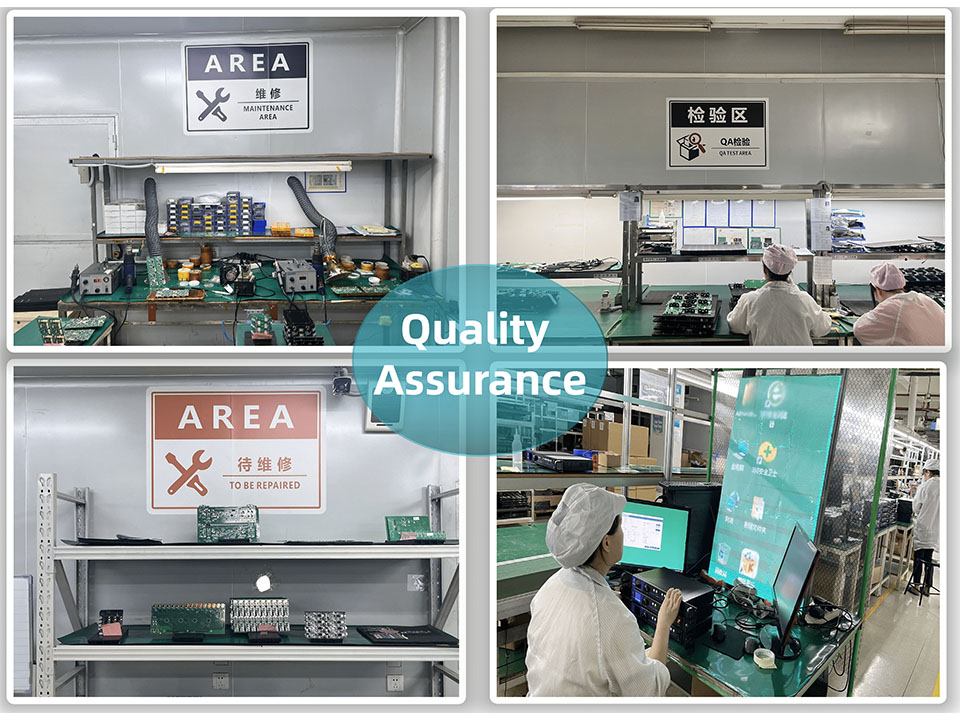
If your buyers care about consistency and traceability, point them to Quality so they understand you’re not winging it.
Layer count and lamination complexity
Layer count changes fabrication steps. It’s not just “a little more copper.”
More layers often mean:
more lamination cycles
tighter registration control
more drilling and more risk on vias
tougher yield management
Practical takeaway: If your 10-unit prototype uses a high-layer stack “just to be safe,” you might pay twice: once in the prototype quote and again when you try to scale it and yields wobble. Sometimes you should simplify the stack before you ramp.
Board size and panelization efficiency
Panelization is where cost control gets real. The factory sells panels and process time. You buy “how well your design fits into that system.”
At 10 units, panel efficiency matters less. At 1,000 units, it becomes a lever you can actually pull.
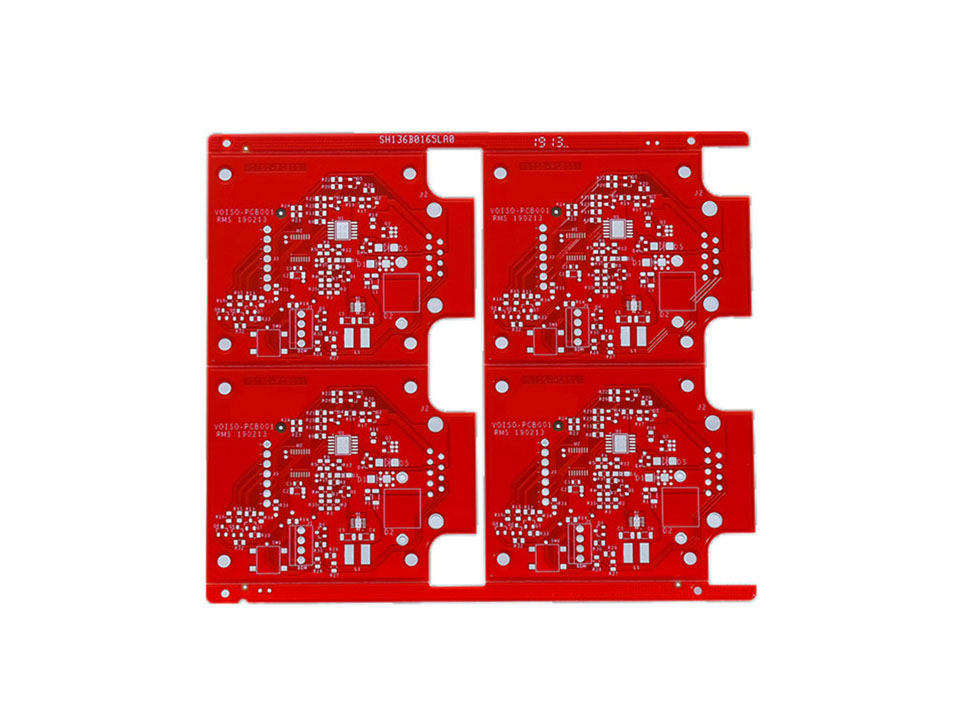
Real-world scene: An EMS partner asks for rails and fiducials for SMT stability. Your PCB outline still works electrically, but assembly now needs mechanical support. If you plan that early, you avoid a late re-layout.
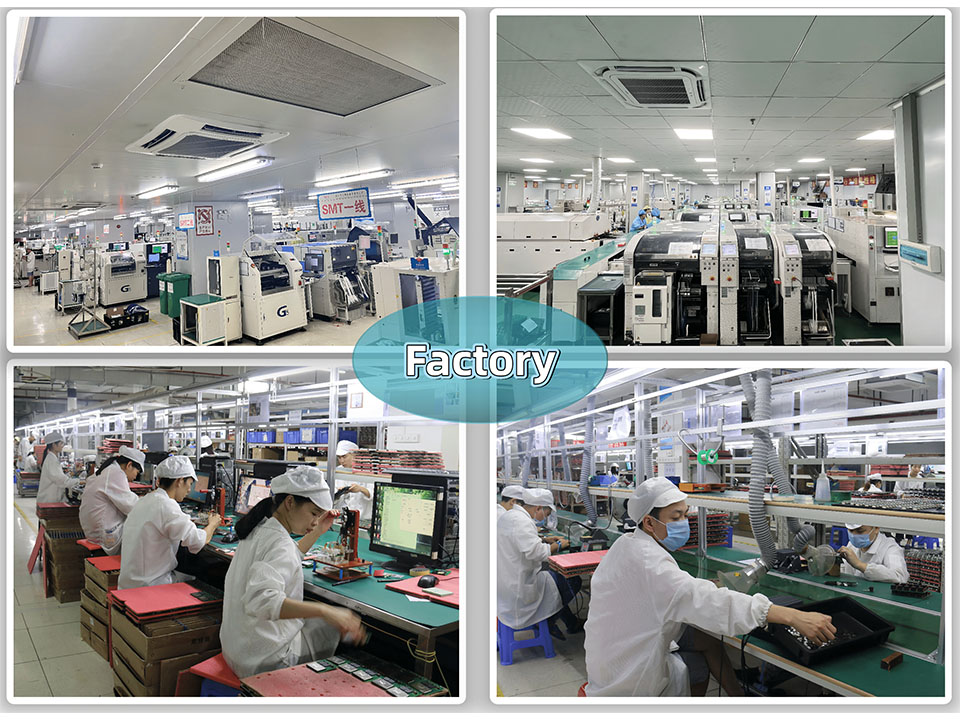
For build-to-ship work, it’s worth pairing PCB Assembly with fab planning so your panel strategy matches your SMT line.
Tight design rules and advanced features
This is the “cool board, hard build” zone:
finer trace/space
controlled impedance
microvias, blind/buried vias
HDI and rigid-flex constraints
These features raise process difficulty and can squeeze yields, especially during the first production ramp. They’re often necessary—phones, RF modules, compact wearables—but you want a factory that runs them daily, not occasionally.
If your project sits in this lane, Advanced PCB is the right path to reference during vendor selection.
Cost driver table: what changes from 10 to 1,000 units
Cost driver
10 units: cost pressure
1,000 units: cost pressure
What you can do now
Quantity and fixed setup
Very high
Low
Freeze specs early, reduce revision churn
Tooling and setup
High
Medium to low
Clean fab notes, stable stackup, consistent rules
Materials
Medium
Medium
Pick laminate/finish once, align across SKUs
Labor and overhead
High
Medium
Design for manufacturability, widen process window
Testing and QA
Medium
Medium
Define test coverage upfront, avoid “maybe test later”
Layer count
High
Medium
Simplify stack if possible before ramp
Panelization efficiency
Low to medium
High impact lever
Plan arrays/rails/fiducials with SMT needs in mind
Tight design rules
High
High
Use proven processes, do DFM early, control risk features
Practical scenarios: prototyping, pilot run, mass production
Prototyping (around 10 units)
You’re hunting bugs. Your best move is fast feedback:
confirm footprints
validate signal integrity assumptions
smoke test power rails
learn what the factory flags in DFM
Pilot run (bridge between 10 and 1,000)
This is where teams get burned. The design “works,” but manufacturing starts yelling:
yield swings
assembly defects cluster around one package
rework time spikes
Treat the pilot build like a process audit. Fix the top two killers, then ramp.
Mass production (around 1,000 units)
Now you care about:
stable yield
repeatable quality gates
predictable delivery windows
consistent documentation for OEM/EMS handoff
If you’re ready to quote or you want DFM feedback before you commit, use Contact us and bring your Gerbers, stackup notes, and assembly requirements.
Where to go next
If you’re building for wholesale, OEM/ODM, or an EMS pipeline, don’t ask “What’s the cheapest board?” Ask this instead:
What will keep yield stable at scale?
Which specs are must-have vs nice-to-have?
Where can we reduce risk without changing performance?
That’s how you move from 10 to 1,000 units without stepping on rakes.
Internal links used above come from your site’s URL list in PCB.json.
MC PCB.,Ltd, alongside Dongguan MaoChang Printed Circuit Board Limited,has focused on PCB manufacturing over 20 years. MaoChang Printed Circuit Board Limited, a professional PCB factory for Quick Turn PCB, Prototype PCB and High Mix Low Volume fabrication. With UL certification for Rigid FR-4 / High Frequency / Aluminum Based PCB production.
Company
About
Contact
Capabilities
Services
Application
Products
Quality
Blog
Products
Printed Circuit Boards
PCB Prototype
Flexible PCB
High Frequency PCB
Thick-Copper PCB
PCB Assembly
Metal core PCB
Thick-Copper PCB
Contact
0755-2889 4567
Room 1803, lA Building, Longwan, Nanhuai Road, Shajing, Bao'an District,Shenzhen City
No. 2, Lane 11, Wenming Road, Fourth Industrial Zone, Nanzha, Humen Town, Dongguan City