One-Stop PCB Factory: Prototype to Mass Production
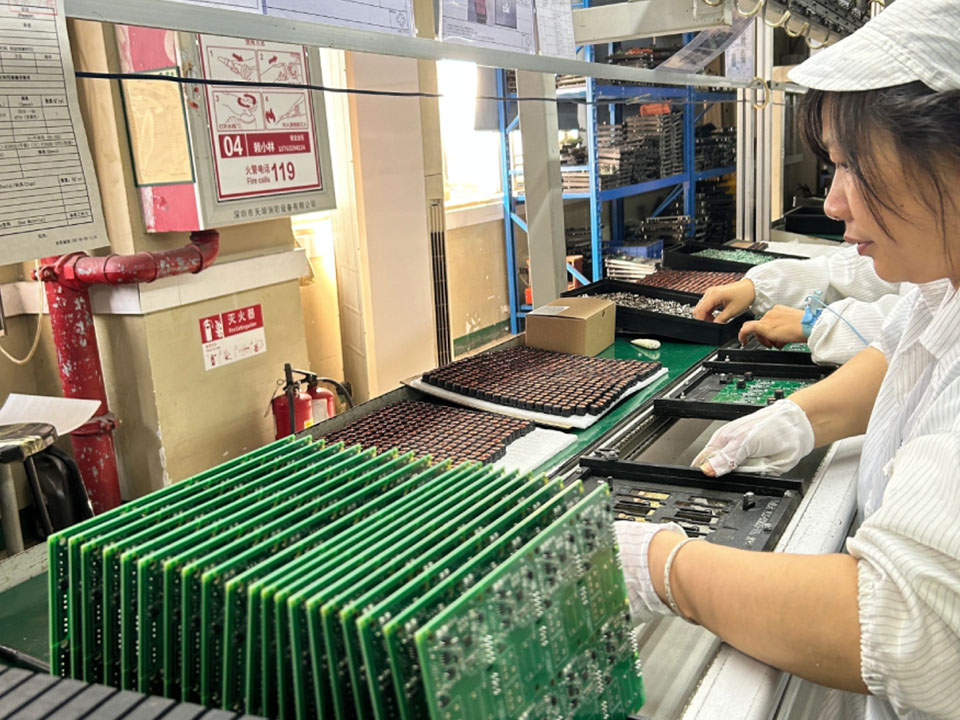
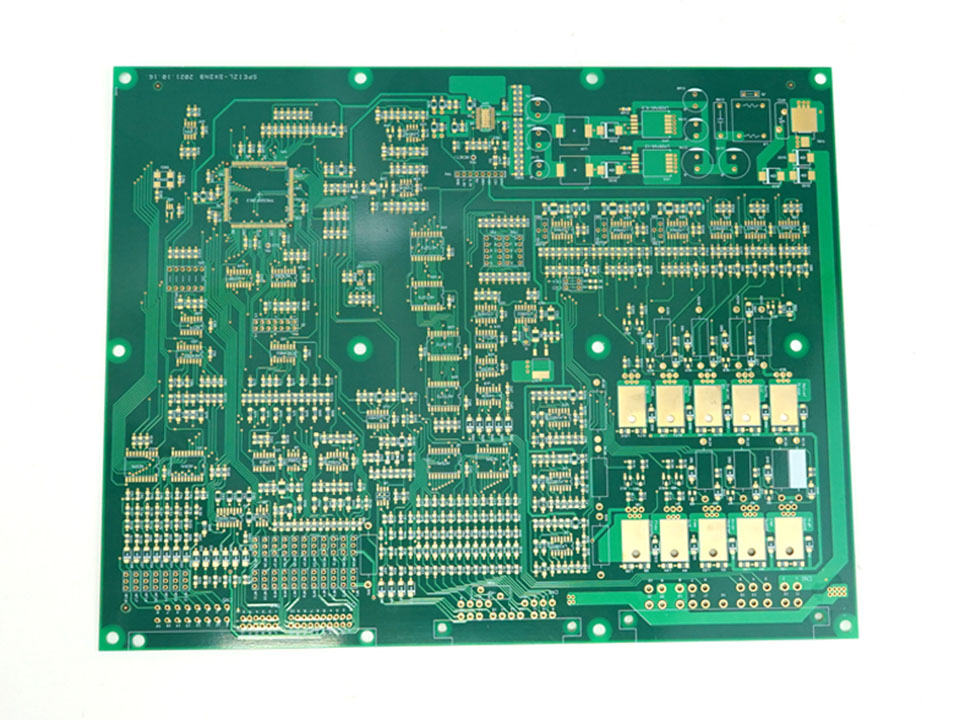
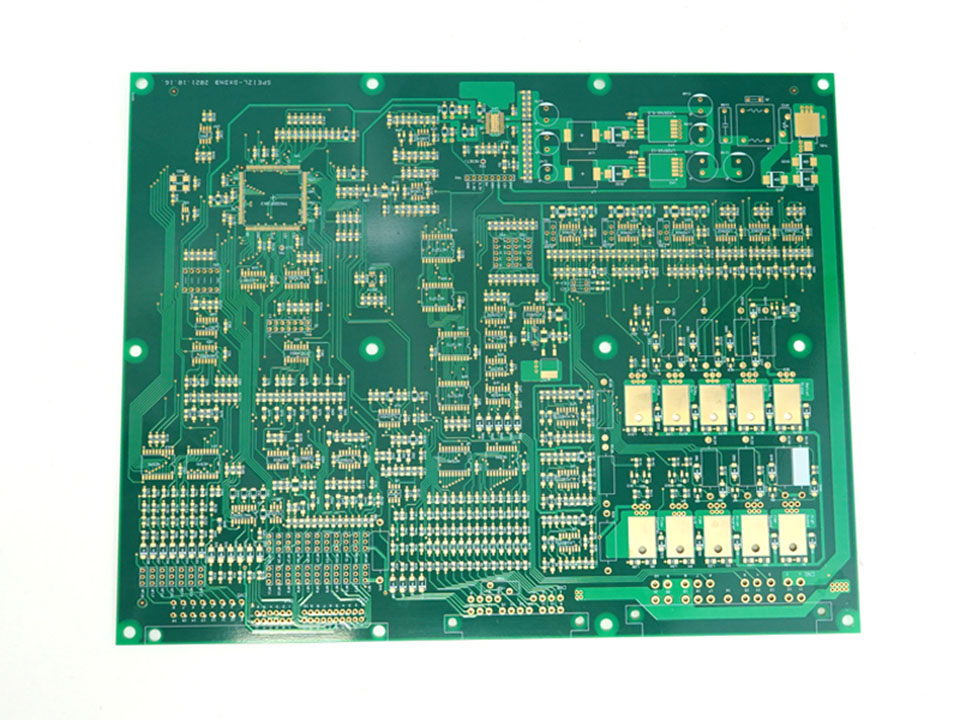
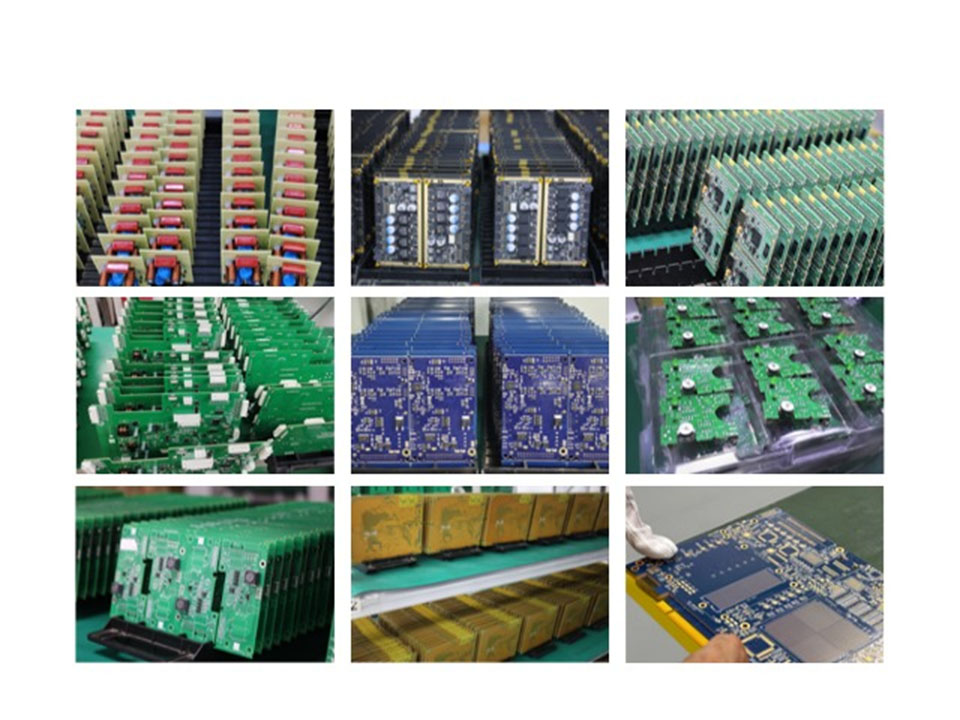
For hardware startups and OEMs, getting high-quality PCBs quickly and reliably is critical. MC PCB is a one-stop contract PCB manufacturer supporting prototypes to volume builds—backed by experienced engineering support and rigorous QA.
MC PCB Co., Ltd.
Began in 2005
One-Stop PCB Factory: Prototype to Mass Production
For hardware startups and OEMs, getting high-quality PCBs quickly and reliably is critical. MC PCB is a one-stop contract PCB manufacturer supporting prototypes to volume builds—backed by experienced engineering support and rigorous QA.
MC PCB Co., Ltd.
Began in 2005
No. 2, Lane 11, Wenming Road, Fourth Industrial Zone, Nanzha, Humen Town, Dongguan City
Why are feeder loading costs so expensive and how can I minimize them?
Feeder loading fees sting because setup work is fixed. Learn what drives SMT changeovers and the simplest ways to cut cost on PCB assembly runs in minutes now.
If you’ve ever quoted SMT assembly and thought, “Why is the feeder loading line item so painful?”, you’re not alone. Feeder loading costs feel unfair because they don’t scale the way people expect. You can order a small batch for validation and still get hit with a setup-heavy charge that looks closer to a production run.
Here’s the simple truth: feeder loading is changeover work. It’s the time your EMS team spends getting the line ready—loading reels, assigning feeders, verifying polarity, dialing in pick height, running first-article checks, and making sure the placement program won’t throw a “line stop” five minutes into the build.
If you’re buying custom PCB fabrication + PCB assembly from a China-based B2B factory focused on quick-turn prototyping, mass production, and strict QC, you’ll see this cost most often in NPI and high-mix work. That’s also where smart process choices can shrink it.
To make this practical, the points below tie directly to real quoting behavior and production constraints, plus concrete moves you can use on your next RFQ.
Feeder Loading Cost in SMT Assembly
Feeder loading cost is basically the “getting ready” fee for SMT. It shows up when the line must:
kit components (or verify consigned material),
mount feeders and label positions,
run program checks and first-article inspection,
confirm your BOM/AVL matches what’s physically on reels.
If you’re running turnkey builds, this often bundles into your assembly setup. If you’re running consigned, it can pop up as a separate charge because kitting becomes your responsibility—yet the line still needs time to load and verify.
For companies that need fast ramp-up, you’ll usually see feeder loading discussed alongside turnkey PCB assembly workflows and NPI control. If that’s what you’re sourcing, skim your supplier’s process notes under PCB assembly and Capabilities so you know what they treat as standard vs special handling.
SMT Setup and Changeover: the real reason the fee doesn’t “feel fair”
People assume “small order = small cost.” SMT doesn’t work like that.
A 20-board build can require nearly the same line prep as a 2,000-board build. The machine doesn’t care that you’re in prototype mode. It still needs correct feeders, correct offsets, correct nozzle choices, and a clean first pass. That’s why feeder loading often behaves like a fixed cost that gets amortized over quantity.
If your project is early-stage (labs, startups, R&D teams) you’ll feel this the most. If you’re an OEM doing regular re-orders, you can control it by keeping the line stable.
Why feeder loading costs spike (and what to do about it)
Why it gets expensive: Even “simple” boards demand prep time—program verification, feeder mapping, and first-article inspection. That time is mostly fixed.
How you minimize it:
Combine small builds into one run when you can (same BOM, same stencil, same process window).
Avoid unnecessary spins. ECO churn kills you because every change triggers a fresh check.
Keep your DFM clean before you release. A tight BOM and clear centroid file reduce back-and-forth.
If you’re sourcing both board build and assembly, align your DFM and release package with your supplier’s Services flow so you don’t burn cycles on clarification emails.
More part numbers mean more feeder changes
Why it gets expensive: Every unique component is another feeder slot, another reel to mount, another chance to mis-pick. High SKU count also increases verification time.
How you minimize it:
Consolidate passives (same value, same package, same tolerance where possible).
Standardize footprints across versions so you don’t create “phantom variants.”
Push your team toward a stable AVL. Quote stability often depends on it.
This is where experienced OEM/ODM buyers play “BOM golf”: fewer strokes, fewer feeder swaps.
Manual loading for non-standard components
Why it gets expensive: Some parts don’t play nice with the feeder bank: odd packaging, partial reels, cut tape without leaders, or unusual form factors. That pushes the line into manual handling and extra checks.
How you minimize it:
Ask for reel-friendly packaging and proper leaders.
Avoid cut tape for anything that’s polarity-sensitive or tiny pitch.
If you must use specialty parts, group them so the line handles them in one controlled step.
If you’re building advanced stackups or tight-pitch designs, make sure your build plan matches your supplier’s Advanced PCB and SMT capability notes so the process doesn’t turn into repeated line adjustments.
“Library parts” vs “new-to-line” parts
Why it gets expensive: A part that’s already qualified on a line (known footprint, known pick settings, known polarity rules) loads faster than something new. New parts can trigger extra validation steps—especially in NPI.
How you minimize it:
Reuse proven footprints and components across product families.
Don’t change MPNs late unless you must.
If supply forces a swap, provide clean alternates (same package, same pad geometry) and flag it clearly.
This is classic EMS reality: “unknown part” equals “more risk,” and risk equals more prep.
Component packaging and kitting efficiency
Why it gets expensive: Packaging drives handling time. Reels run fast. Random bulk parts don’t. Bad labels, mixed date codes, or missing moisture control can also trigger extra inspection steps before the line even starts.
How you minimize it:
Clean labels, consistent packaging, and clear kitting lists.
For sensitive parts, keep MSL controls tight so receiving doesn’t become a QC bottleneck.
If you’re shipping consigned, ship like you want it placed—organized, labeled, and feeder-ready.
If your supplier emphasizes quality control (and they should), it’s worth aligning expectations under Quality so “incoming check” doesn’t surprise you as a schedule hit.
Labor dominates during line preparation
Why it gets expensive: Even with automation, humans still do the high-value prep: loading feeders, verifying reels, running first-article, and solving exceptions. That labor is where feeder loading cost comes from.
Cut tape issues, missing leaders, special handling
Reel-friendly packaging, group specials, clear notes
New-to-line parts
Extra validation for unknown pick/polarity
Reuse qualified parts, provide alternates early
Weak kitting
Receiving delays, labeling confusion, MSL rework
Feeder-ready kitting, strong labeling, moisture control
Labor-heavy prep
Humans resolve exceptions and verify details
Reduce exceptions, improve data quality, clarify polarity
HMLV churn
Frequent changeovers, line downtime
Schedule by family, align variants, freeze revisions
The internal link set above comes from your site’s URL list in PCB.json, including the required homepage reference.
Real-world sourcing scenarios that make feeder loading feel “extra expensive”
Quick-turn prototyping for R&D and labs
You’re building for validation. Quantity is low, revision risk is high, and your BOM changes often. In this phase, the best savings usually come from reducing part variety and avoiding last-minute MPN swaps, not from negotiating harder.
If you need quick iteration, align expectations early through the homepage positioning (fast prototyping + reliable assembly) and route technical questions through Contact us so your build doesn’t stall mid-quote.
OEM volume with repeat builds
If you repeat the same build, feeder loading becomes easier to control. You can lock the AVL, keep feeder maps stable, and reduce setup drift. The hidden win here is operational: fewer surprises, fewer line stops, smoother delivery.
EMS/ODM with multiple variants
Variants explode feeder work when each version “almost” matches but not quite. Your best move is to design variants like a production planner: common core BOM, optional population, and minimal footprint differences.
A practical checklist you can send with your next RFQ
Keep the BOM tight and avoid “cute” one-off components.
Standardize passives and footprints across revisions.
Provide clean centroid + polarity notes + revision history.
MC PCB.,Ltd, alongside Dongguan MaoChang Printed Circuit Board Limited,has focused on PCB manufacturing over 20 years. MaoChang Printed Circuit Board Limited, a professional PCB factory for Quick Turn PCB, Prototype PCB and High Mix Low Volume fabrication. With UL certification for Rigid FR-4 / High Frequency / Aluminum Based PCB production.
Company
About
Contact
Capabilities
Services
Application
Products
Quality
Blog
Products
Printed Circuit Boards
PCB Prototype
Flexible PCB
High Frequency PCB
Thick-Copper PCB
PCB Assembly
Metal core PCB
Thick-Copper PCB
Contact
0755-2889 4567
Room 1803, lA Building, Longwan, Nanhuai Road, Shajing, Bao'an District,Shenzhen City
No. 2, Lane 11, Wenming Road, Fourth Industrial Zone, Nanzha, Humen Town, Dongguan City