One-Stop PCB Factory: Prototype to Mass Production
For hardware startups and OEMs, getting high-quality PCBs quickly and reliably is critical. MC PCB is a one-stop contract PCB manufacturer supporting prototypes to volume builds—backed by experienced engineering support and rigorous QA.
MC PCB Co., Ltd.
Began in 2005
One-Stop PCB Factory: Prototype to Mass Production
For hardware startups and OEMs, getting high-quality PCBs quickly and reliably is critical. MC PCB is a one-stop contract PCB manufacturer supporting prototypes to volume builds—backed by experienced engineering support and rigorous QA.
MC PCB Co., Ltd.
Began in 2005
No. 2, Lane 11, Wenming Road, Fourth Industrial Zone, Nanzha, Humen Town, Dongguan City
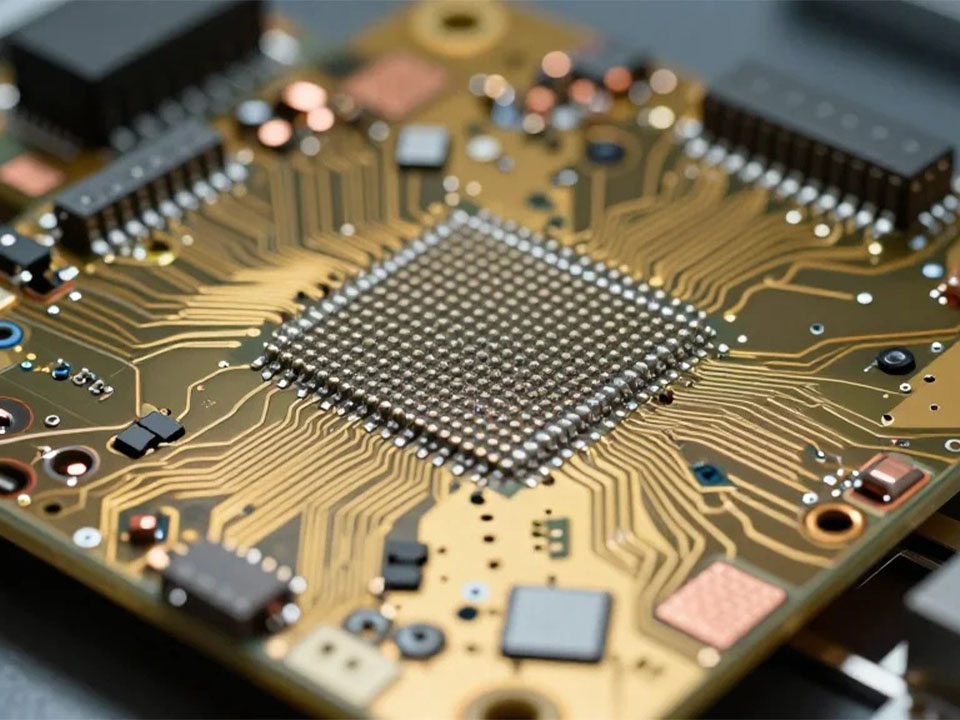
If you’re building a fine-pitch BGA board, you don’t need “fancier.” You need flat, clean, and predictable. Fine pitch doesn’t forgive wobble in the finish, oxidation on pads, or a tight solderability window. One bad choice can turn your first SMT run into a rework loop with X-ray queues, head-in-pillow suspects, and yield hits.
This is exactly why a China PCB B2B factory: fast prototyping, reliable assembly like ours keeps the surface-finish discussion tied to real production outcomes, not brochure talk. Start at the homepage if you want the full picture of how we support quick-turn + volume + OEM/ODM workflows: China PCB B2B factory: fast prototyping, reliable assembly.
Fine-pitch BGA surface finish: what really matters
For fine-pitch BGA, the surface finish choice is basically a fight between three priorities:
Planarity: flatter pads help the solder balls collapse evenly and reduce opens/bridging.
Pad protection: you want pads that stay solderable after shipping, storage, and handling.
Process stability: the finish has to behave the same across panels, lots, and time.
In the real world, the “best” finish depends on what hurts you most: early NPI risk, long lead-time logistics, multiple reflow passes, or tight cost targets.
If you’re doing fine-pitch HDI PCB fabrication, the finish decision should sit next to your stackup, microvia plan, and mask strategy. Here’s a relevant internal example: fine-pitch HDI PCB fabrication.
Planarity for fine-pitch BGA
Planarity is the quiet dealbreaker. Fine pitch means smaller balls, tighter standoff, and less paste volume margin. A finish that leaves “hills and valleys” can push you into:
Uneven wetting and inconsistent collapse
Bridging between adjacent pads
Random opens that only show up under X-ray (and ruin your confidence in the whole run)
So the finish conversation is really a planarity conversation first.
ENIG for fine-pitch BGA
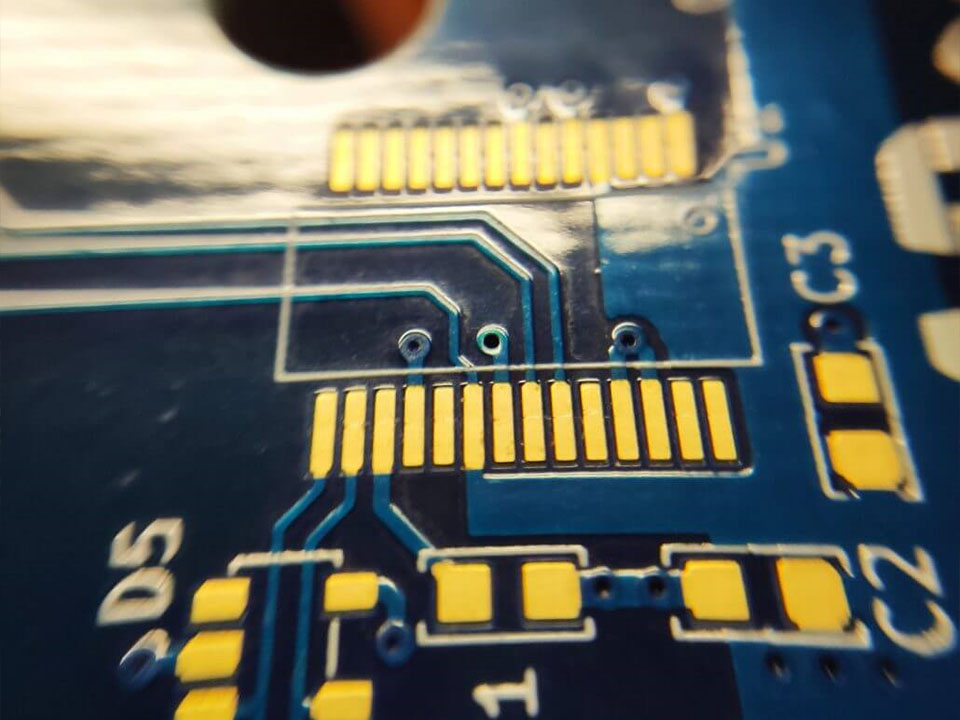
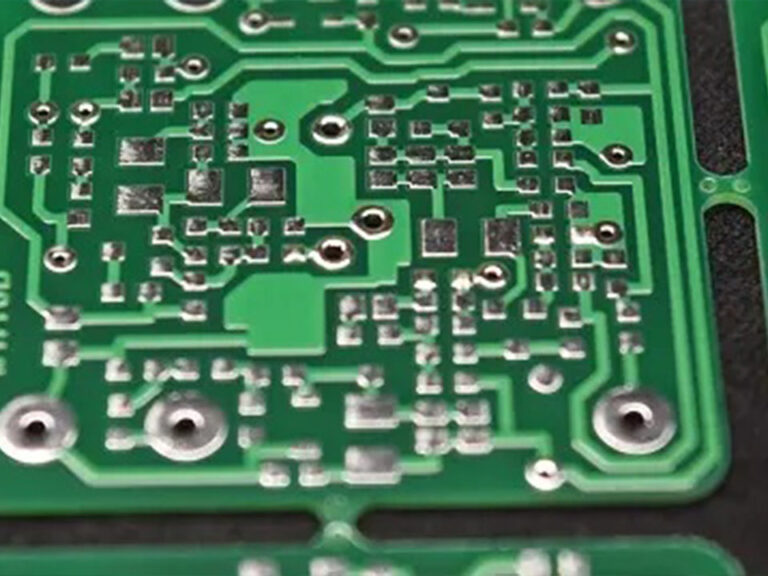
ENIG (Electroless Nickel / Immersion Gold) stays popular for a reason: it’s flat and it protects copper well. For many fine-pitch BGAs—especially when you ship boards across borders or hold inventory—ENIG is the “default safe” option.
Black pad risk in ENIG
ENIG also comes with a manufacturing truth: the nickel process has to be controlled. If the nickel layer chemistry drifts, you can see the classic “black pad” failure mode (brittle intermetallic interface, poor wetting, unreliable joints). You don’t fix that in assembly. You prevent it with tight process control and incoming checks.
If you want ENIG without surprises, align it with your supplier’s quality control plan and inspection flow (AOI + thickness checks + process records). Here’s how we frame it: quality control.
When ENIG makes the most sense
0.4–0.5 mm pitch BGAs where you want predictable coplanarity
Boards that travel or sit before SMT (longer shelf-life expectations)
Mixed-technology builds where flatness helps stencil performance and joint uniformity
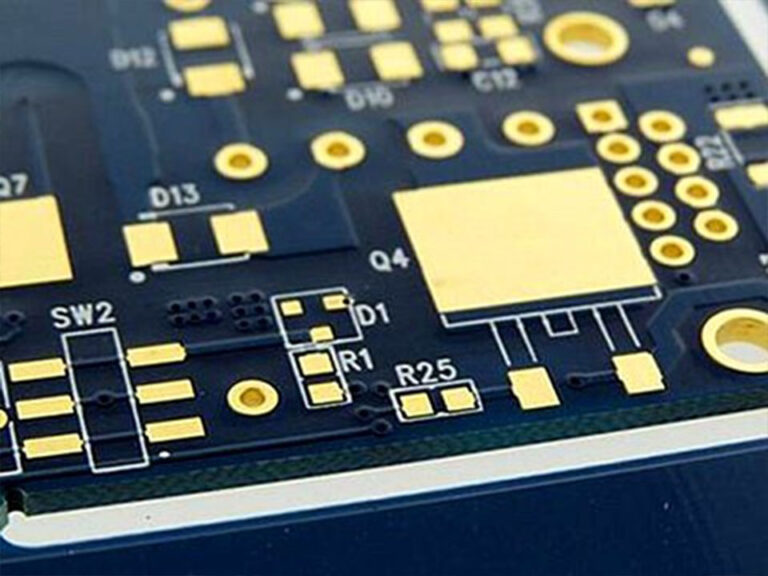
If you want to see an internal product page that matches the scenario (gold finish pads, multi-layer performance), check: ENIG pads.
ENEPIG for fine-pitch BGA
ENEPIG adds palladium between nickel and gold. In practice, people choose ENEPIG when they want more reliability headroom or they need compatibility with specialized assembly flows (for example, certain bonding or mixed finishing constraints).
ENEPIG often costs more and not every supply chain runs it with the same maturity. So it’s not “better by default.” It’s better when your product risk profile demands it.
When ENEPIG is worth the extra cost
High-reliability builds that can’t afford field returns
Programs where your customer’s acceptance process is strict (FAI, audits, traceability)
Builds that routinely face harsh environments or long service life
Immersion Silver for fine-pitch BGA
Immersion Silver (ImAg) can be a strong choice for fine pitch because it’s very flat. It can also be cost-friendly compared with ENIG. The tradeoff is handling and contamination sensitivity.
If you’ve ever seen “looks fine, solders weird,” silver can be part of that story when storage and packaging aren’t tight. Fingerprints, sulfur exposure, and sloppy packing can narrow your solderability window fast.
Where immersion silver fits well
NPI builds where you need flatness but want to manage cost
Fast-turn programs where boards go straight to SMT, not to a warehouse
Teams that already run strict packaging rules (vacuum pack, desiccant, controlled handling)
Immersion Tin for fine-pitch BGA
Immersion Tin (ImSn) is also flat, and it can support fine geometry. The catch is that tin tends to demand stricter controls around:
Storage window
Handling
Process compatibility (including concerns like tin whiskers in some contexts)
If your program has disciplined logistics and you’re not parking boards for long periods, immersion tin can work. If your program is messy—boards sitting, rework cycles, unplanned delays—it can become a headache.
OSP for fine-pitch BGA
OSP (Organic Solderability Preservative) is very flat and usually low cost. It’s great when the board goes from fab to SMT quickly. But OSP can be sensitive to:
Multiple reflow cycles
Aggressive handling or abrasion
Long storage before assembly
Multiple reflow cycles and OSP
Fine-pitch BGA builds often see more than one heat event: primary reflow, selective rework, maybe a second pass for top/bottom. If you expect multiple reflow or a longer assembly timeline, OSP can tighten your margin.
OSP shines in disciplined, fast-moving production. It’s less forgiving when schedules slip.
Lead-free HASL and fine-pitch limits
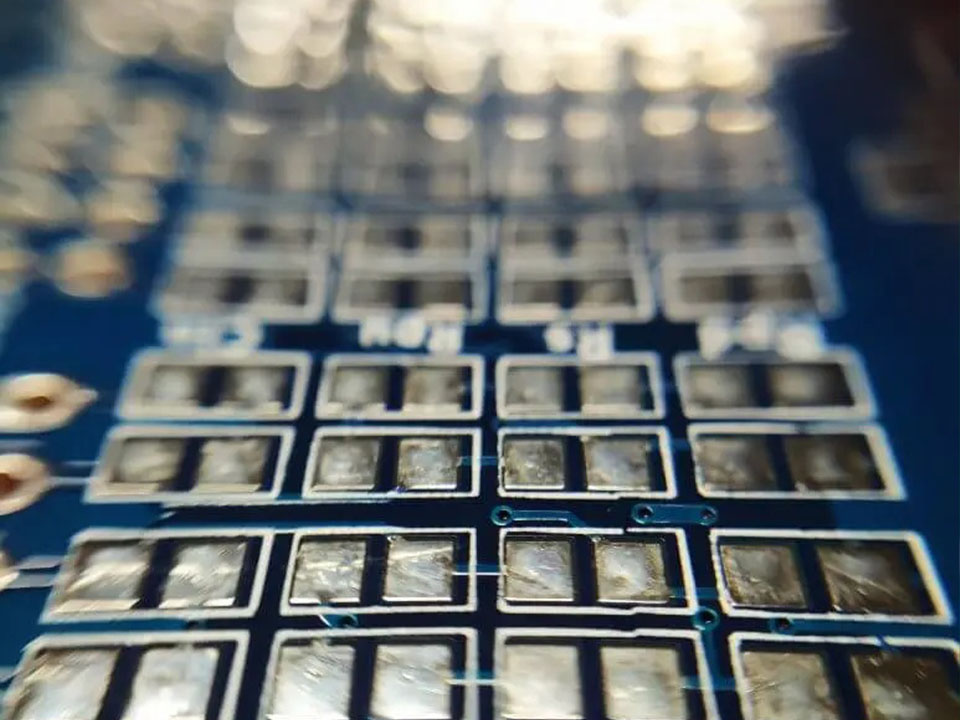
Lead-free HASL (Hot Air Solder Leveling) can be rugged and cost-effective, but it’s typically not the first pick for fine-pitch BGA because it’s not the flattest finish. You can run it successfully at larger pitches, but once pitch tightens, HASL can raise bridging risk and variation.
If your design is borderline, HASL can turn into “it works until it doesn’t,” especially across different panel zones.
Storage/handling sensitivity; whisker concerns in some programs
Controlled logistics; fine geometry
Finish stability + storage-control practice
OSP
Excellent
Shorter process window; multiple reflow sensitivity
Very fast fab-to-assembly flow; high-volume cost control
Reflow-cycle and handling sensitivity practice
Lead-free HASL
Fair to good (varies)
Less flat; higher bridging risk at tight pitch
Larger pitch BGAs; rugged cost-driven boards
Planarity vs pitch tradeoff practice
Quick selection checklist for OEM and EMS
If you’re an OEM, brand owner, EMS, or design house trying to lock a finish fast, use this as a practical shortcut:
Pitch ≤ 0.5 mm: default to ENIG unless your assembly flow strongly favors something else.
High reliability / harsh use: consider ENEPIG, especially if field failure cost is brutal.
Cost pressure + fast SMT turnaround: ImAg or OSP can work if logistics stay tight.
Multiple reflow or unpredictable schedule: lean away from finishes with short windows (often OSP/ImSn) unless your process is disciplined.
If you’re tempted by HASL: sanity-check pitch, stencil strategy, and yield tolerance first.
And don’t treat surface finish as a standalone choice. Tie it to the whole build: pad design, solder mask definition, via-in-pad decisions, stencil aperture, paste type, and reflow profile. That’s how you prevent “mystery defects.”
If you want a single team to cover PCB fabrication + PCB assembly under one quality system (so finish decisions match the SMT line reality), start here: PCB fabrication and PCB assembly. For HDI and fine geometry, it also helps to align early with capability limits and DFM rules: HDI capabilities.
MC PCB.,Ltd, alongside Dongguan MaoChang Printed Circuit Board Limited,has focused on PCB manufacturing over 20 years. MaoChang Printed Circuit Board Limited, a professional PCB factory for Quick Turn PCB, Prototype PCB and High Mix Low Volume fabrication. With UL certification for Rigid FR-4 / High Frequency / Aluminum Based PCB production.
Company
About
Contact
Capabilities
Services
Application
Products
Quality
Blog
Products
Printed Circuit Boards
PCB Prototype
Flexible PCB
High Frequency PCB
Thick-Copper PCB
PCB Assembly
Metal core PCB
Thick-Copper PCB
Contact
0755-2889 4567
Room 1803, lA Building, Longwan, Nanhuai Road, Shajing, Bao'an District,Shenzhen City
No. 2, Lane 11, Wenming Road, Fourth Industrial Zone, Nanzha, Humen Town, Dongguan City